Avobenzone
The primary UVA filter in US chemical sunscreens. It is still legal under Hawaii's statewide law, and bills to ban it there failed in 2021 and 2024.
Banned in
- Palau
Also excluded where only mineral sunscreen is allowed
- Maui County
- Hawaiʻi County
Is Avobenzone safe for your skin?
Regulators in the EU and Australia class avobenzone as low risk at up to 5%. The US allows 3% while the FDA waits for more safety data. The FDA's "insufficient data" label is a request for data, not a finding that avobenzone is unsafe.
- FDA: avobenzone is one of 12 US sunscreen filters that lack enough data to be classed as safe and effective (proposed 2019, restated 2021). The FDA says this is not a conclusion that they are unsafe, and it still recommends using sunscreen.
- Absorption: in two FDA-run trials (Matta et al., JAMA 2019 and 2020), avobenzone reached blood levels above 0.5 ng/mL on the first day of use. Above that level the FDA asks manufacturers for more toxicology studies. The authors said the results do not mean people should stop using sunscreen.
- Australia's TGA (2025) reviewed avobenzone at 5% and calculated a margin of safety of 183. A margin of 100 or more counts as satisfactory for long-term use. Lab data hinted at hormone (endocrine) effects, but the TGA found them too weak to show harm in people and asked for more research.
- Skin reactions: the TGA review notes that clinical data show avobenzone is a rare allergen and photoallergen.
Sources (4)
- FDA: Questions and answers on FDA's regulatory actions on OTC sunscreen
- Matta et al. 2019, JAMA: systemic absorption of sunscreen active ingredients
- Matta et al. 2020, JAMA: systemic absorption after single and repeated application
- TGA (Australia) 2025: Safety review of seven active sunscreen ingredients
Last reviewed September 24, 2026. This summarises what regulators and published studies found. It isn't medical advice.
Where it’s restricted
Named in the law or guidance
| Location | Status | Since |
|---|---|---|
| Palau law text ↗ | In force | January 1, 2020 |
| U.S. National Parks with coral reefs (NPS guidance) law text ↗ | Advisory | — |
Also not allowed under mineral-only rules
Avobenzone isn’t named in these laws, but they allow only mineral (zinc oxide or titanium dioxide) sunscreens, so a product containing it is excluded anyway.
- Maui County (Maui, Molokaʻi, Lānaʻi) (in force since October 1, 2022)
- Hawaiʻi County (Big Island) (in force since December 1, 2022)
Why it’s regulated
The US National Park Service names avobenzone, with oxybenzone and octinoxate, as an ingredient to avoid and recommends sunscreens with only zinc oxide or titanium dioxide. This is guidance for visitors, not a legal ban.
What the reef research says
In a 5-week lab test on the coral Stylophora pistillata (Fel et al. 2019), avobenzone only reduced photosynthetic efficiency of the coral's algae at a nominal 1000 µg/L or more (87 µg/L measured), and the highest dose tested (5000 µg/L nominal, 520 µg/L measured) killed the coral pieces. In a 7-day test on Pocillopora damicornis (Clergeaud et al. 2023), metabolite changes suggesting stress on the coral's algae appeared from 300 µg/L, and the coral converted most of the avobenzone it absorbed into derivatives that a computer model predicts are more toxic than avobenzone itself. An earlier study from the same group found no coral inflammation markers at 1 mg/L. A 2021 review judged that coral toxicity data for organic UV filters are limited, with test designs that make results unreliable, and that it is too early to say whether reef concentrations cause harm.
Sources (6)
- Fel et al. 2019, Coral Reefs: photochemical response of Stylophora pistillata to some sunscreen ingredients
- Clergeaud et al. 2023, Metabolites: fate of avobenzone in coral tissue and its effect on coral metabolome
- Mitchelmore et al. 2021, Environ Toxicol Chem: critical review of organic UV filter exposure, hazard and risk to corals
- US National Park Service: Protect Yourself, Protect the Reef
- FDA: Questions and answers on FDA's regulatory actions on over-the-counter sunscreen (content current as of 10 Sept 2026)
- 21 CFR 352.10, Sunscreen active ingredients (eCFR; ensulizole, meradimate, octinoxate and octisalate appear under their revised names in the stayed 2002 amendment)
What to look for instead
Products that contain it (549)
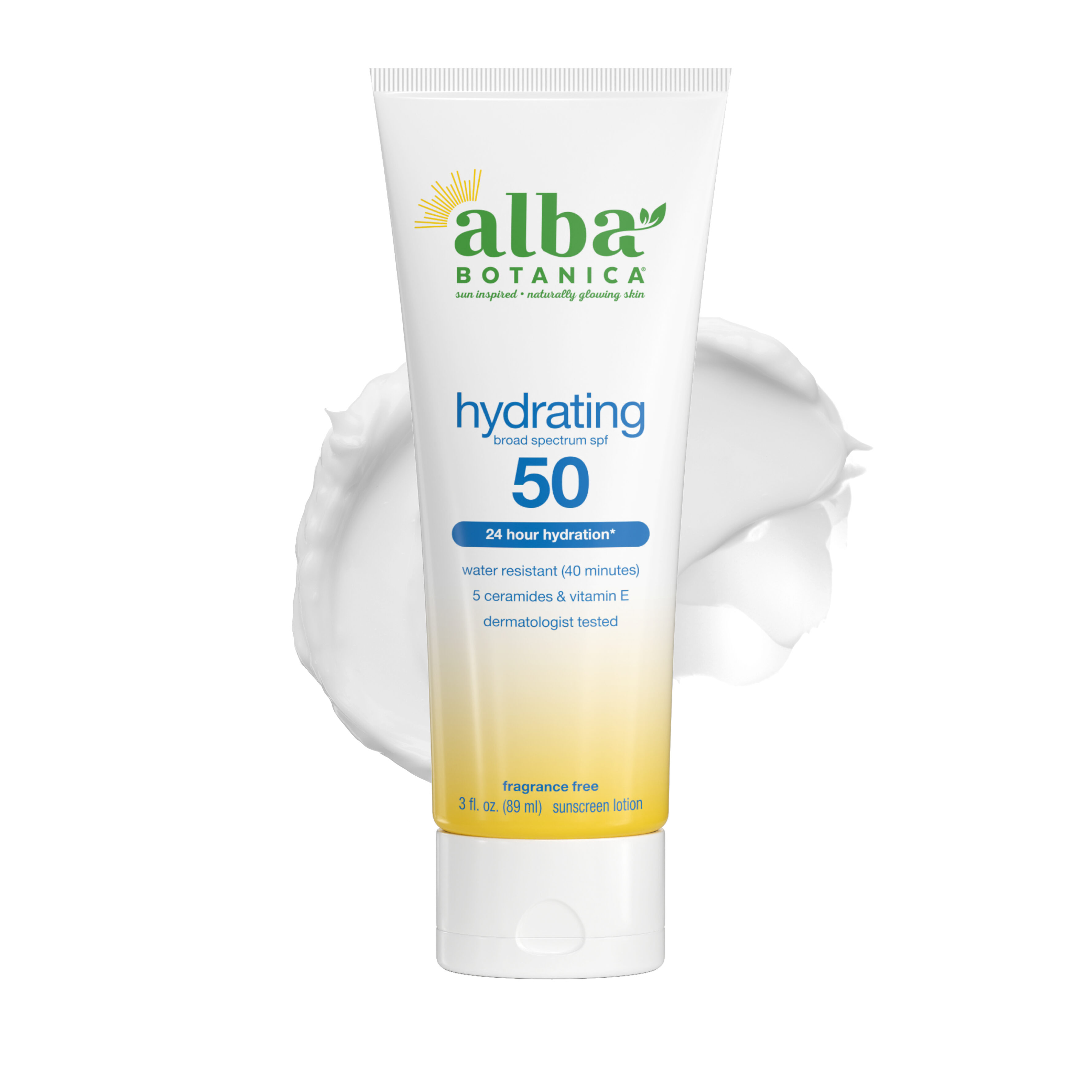
Hydrating Sunscreen Lotion SPF 50
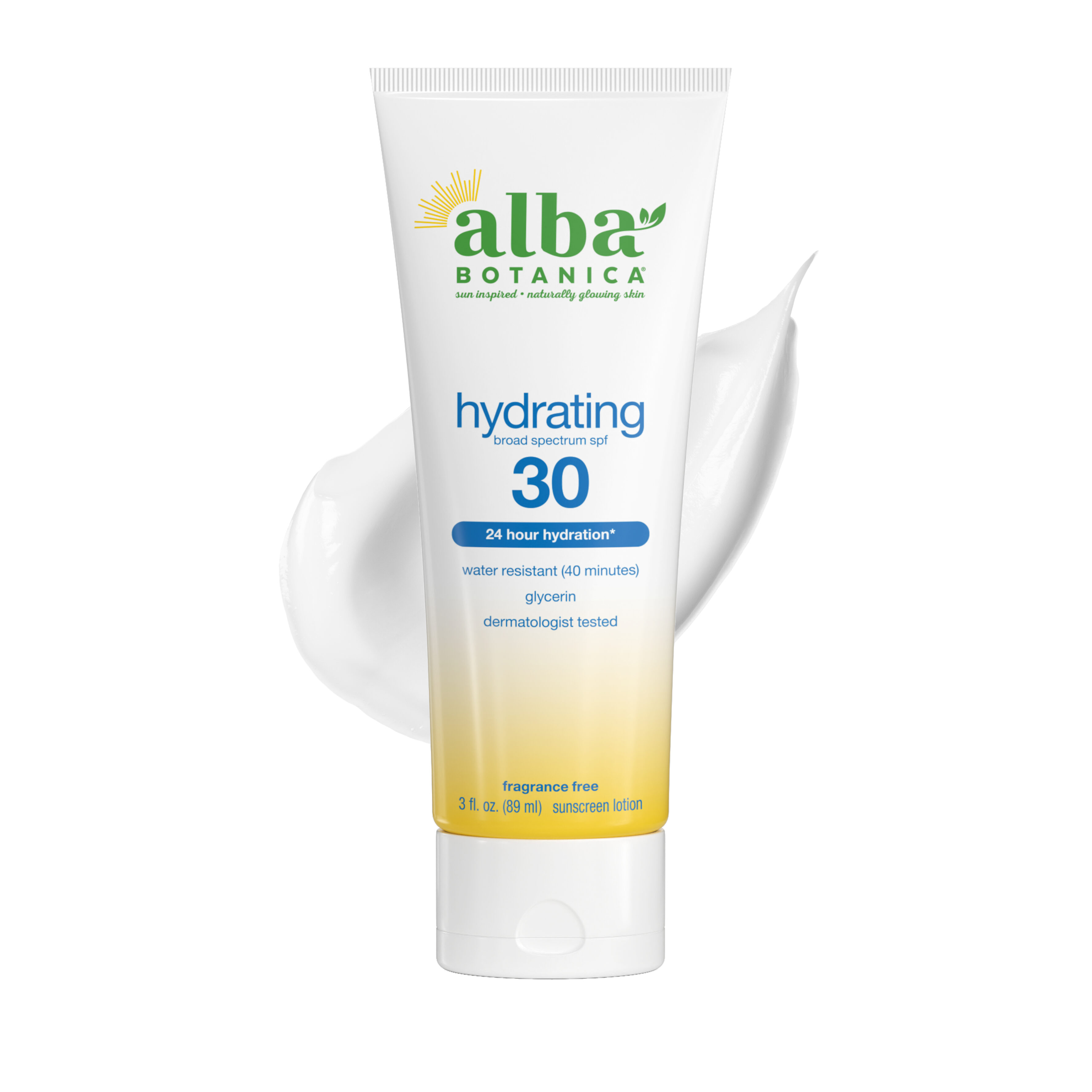
Hydrating Sunscreen Lotion SPF 30
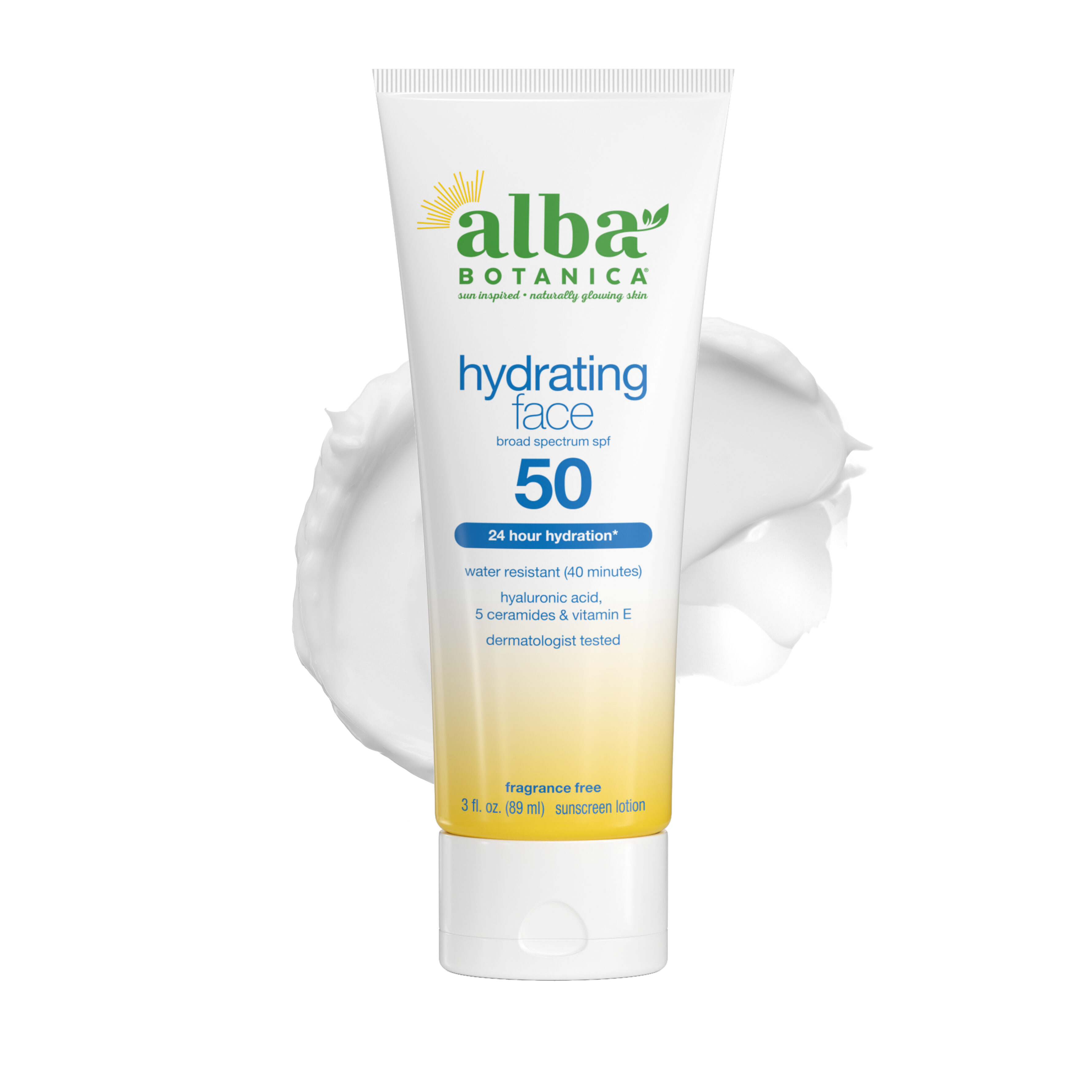
Hydrating Sunscreen Face Lotion SPF 50
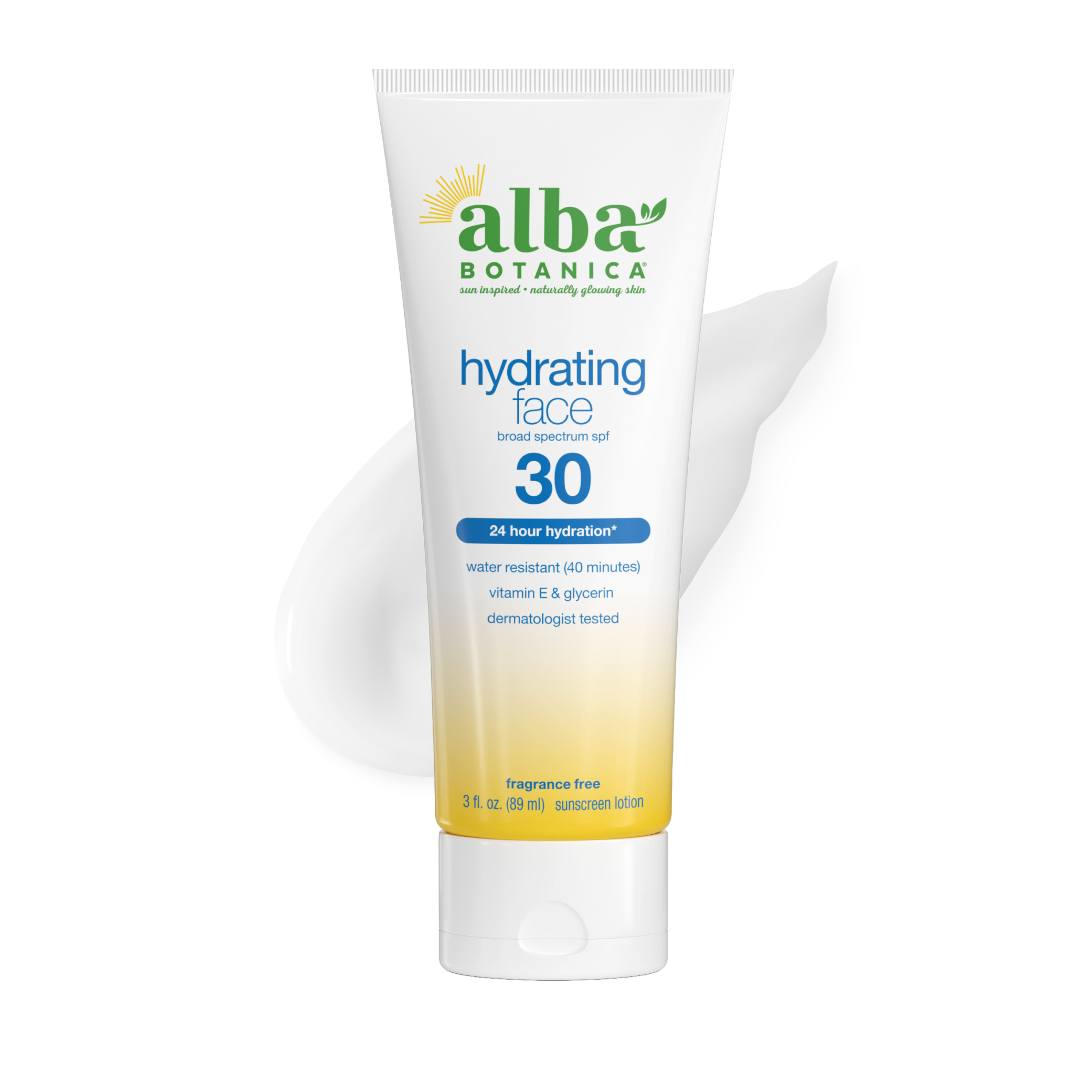
Hydrating Sunscreen Face Lotion SPF 30
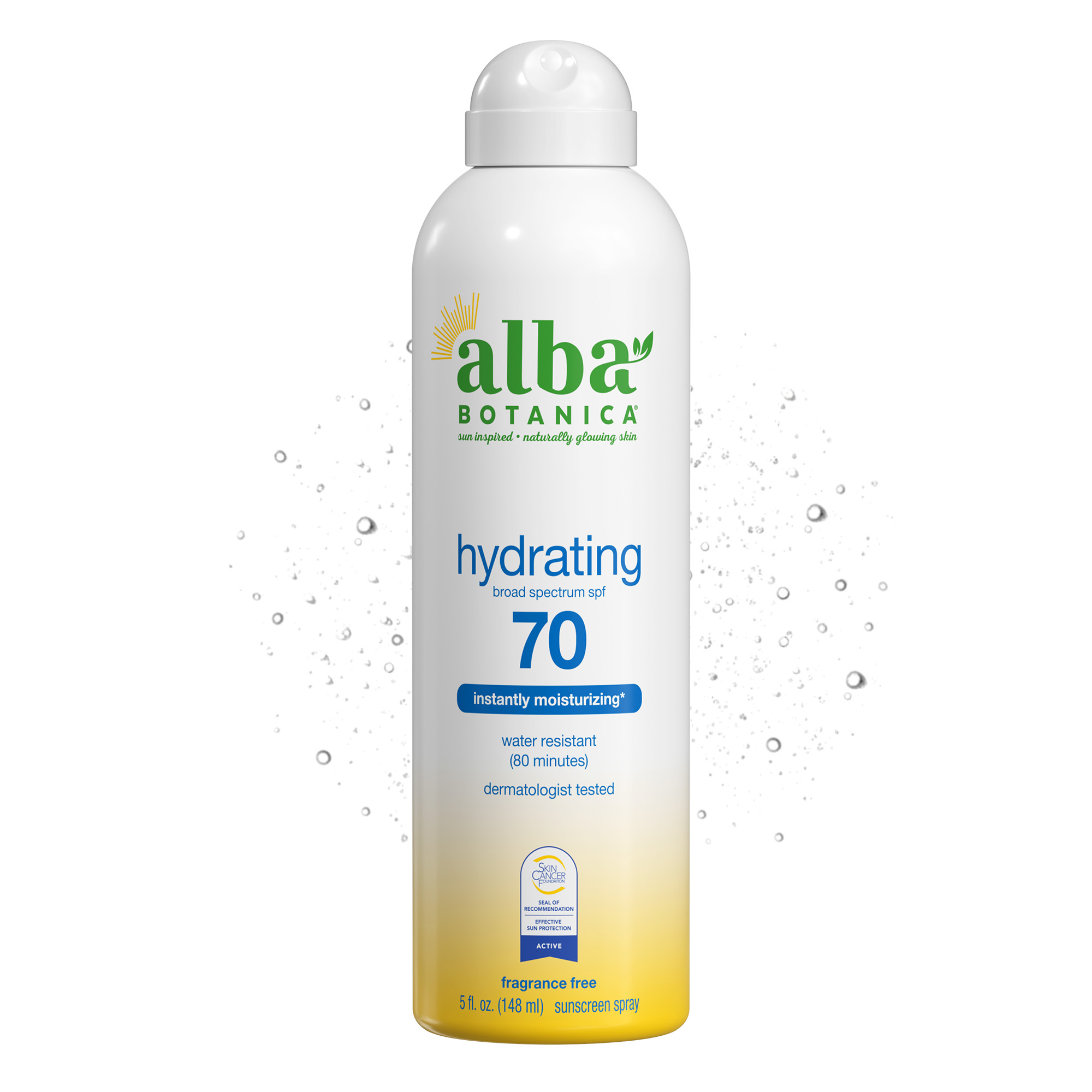
Hydrating Sunscreen Spray SPF 70
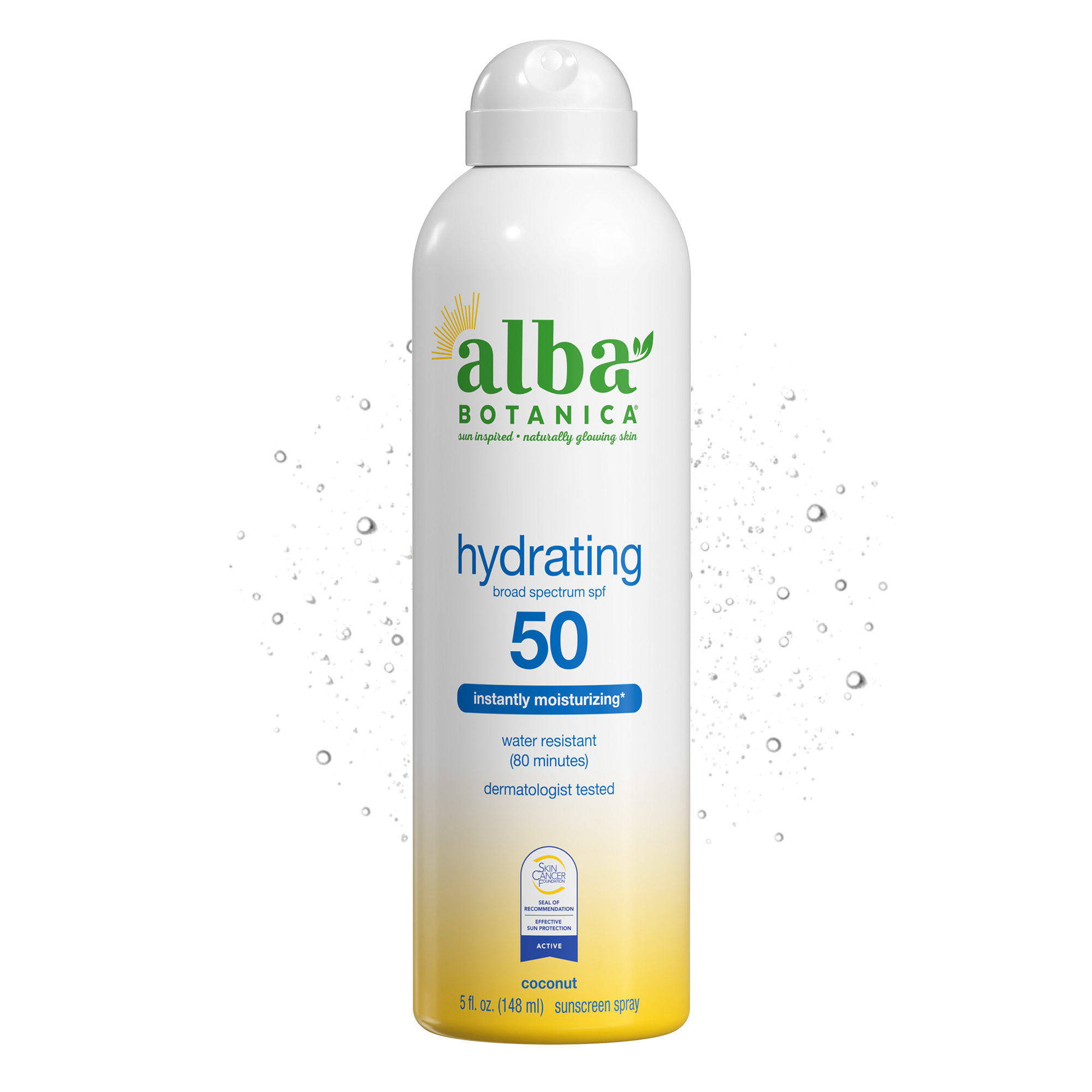
Hydrating Sunscreen Spray SPF 50
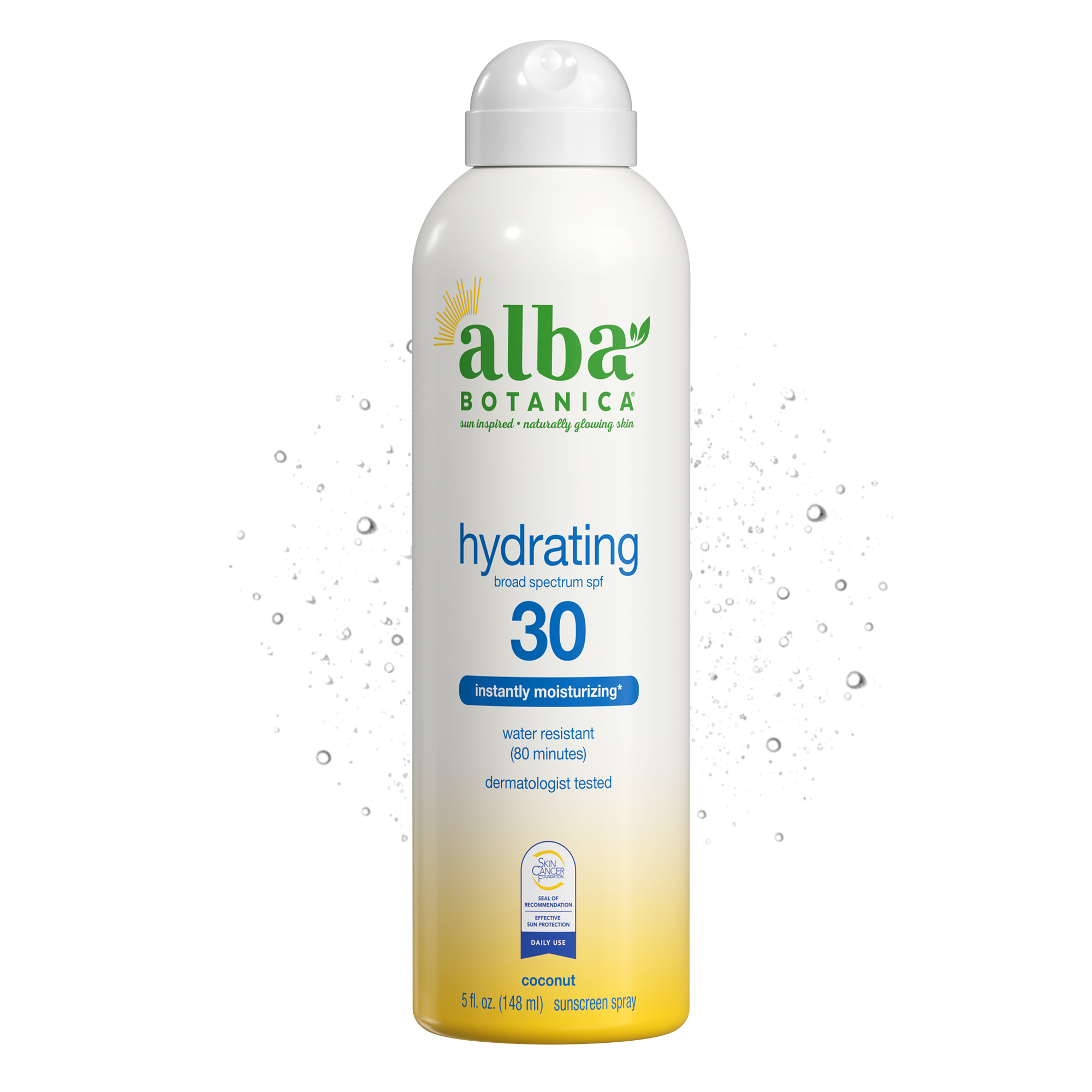
Hydrating Sunscreen Spray SPF 30
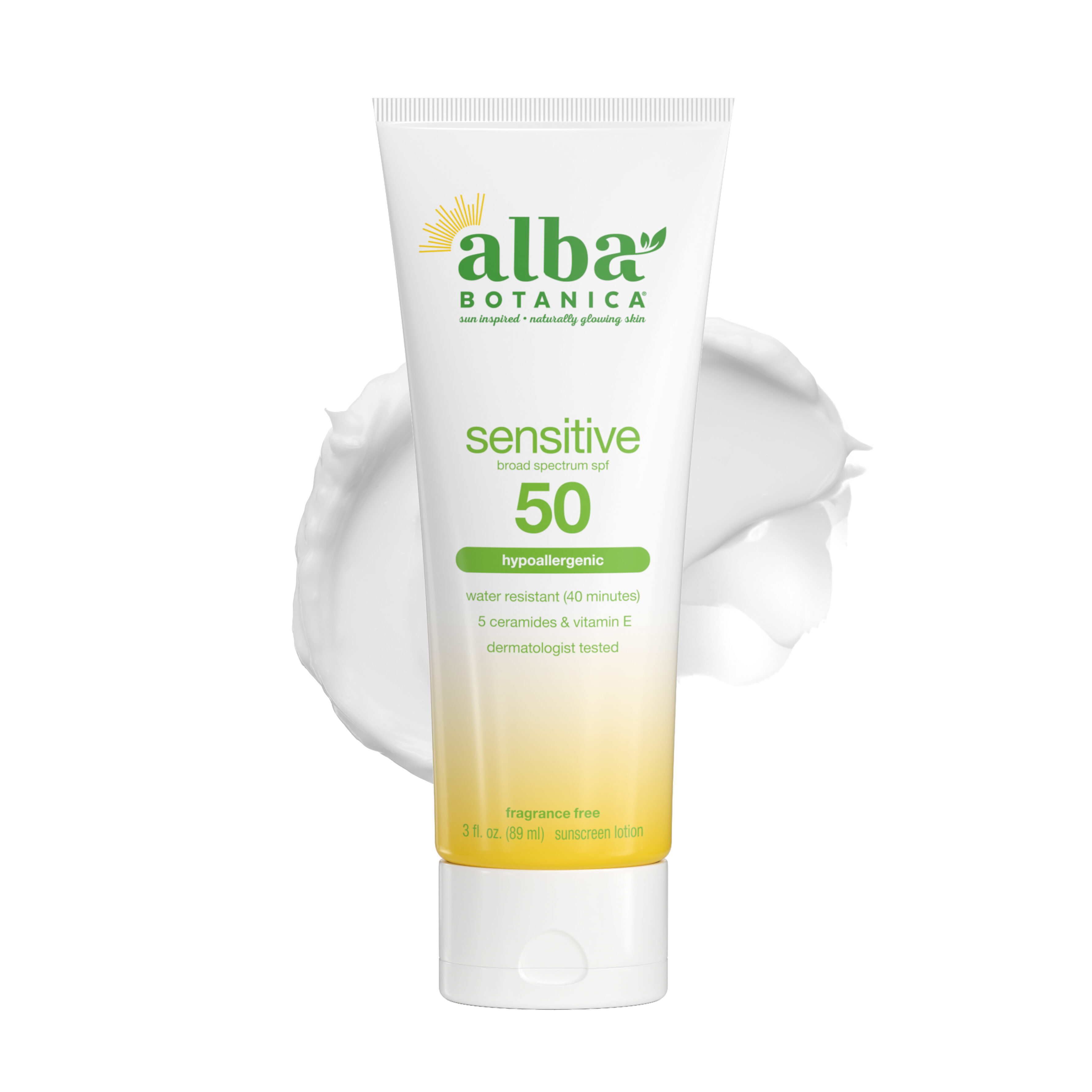
Sensitive Sunscreen Lotion SPF 50
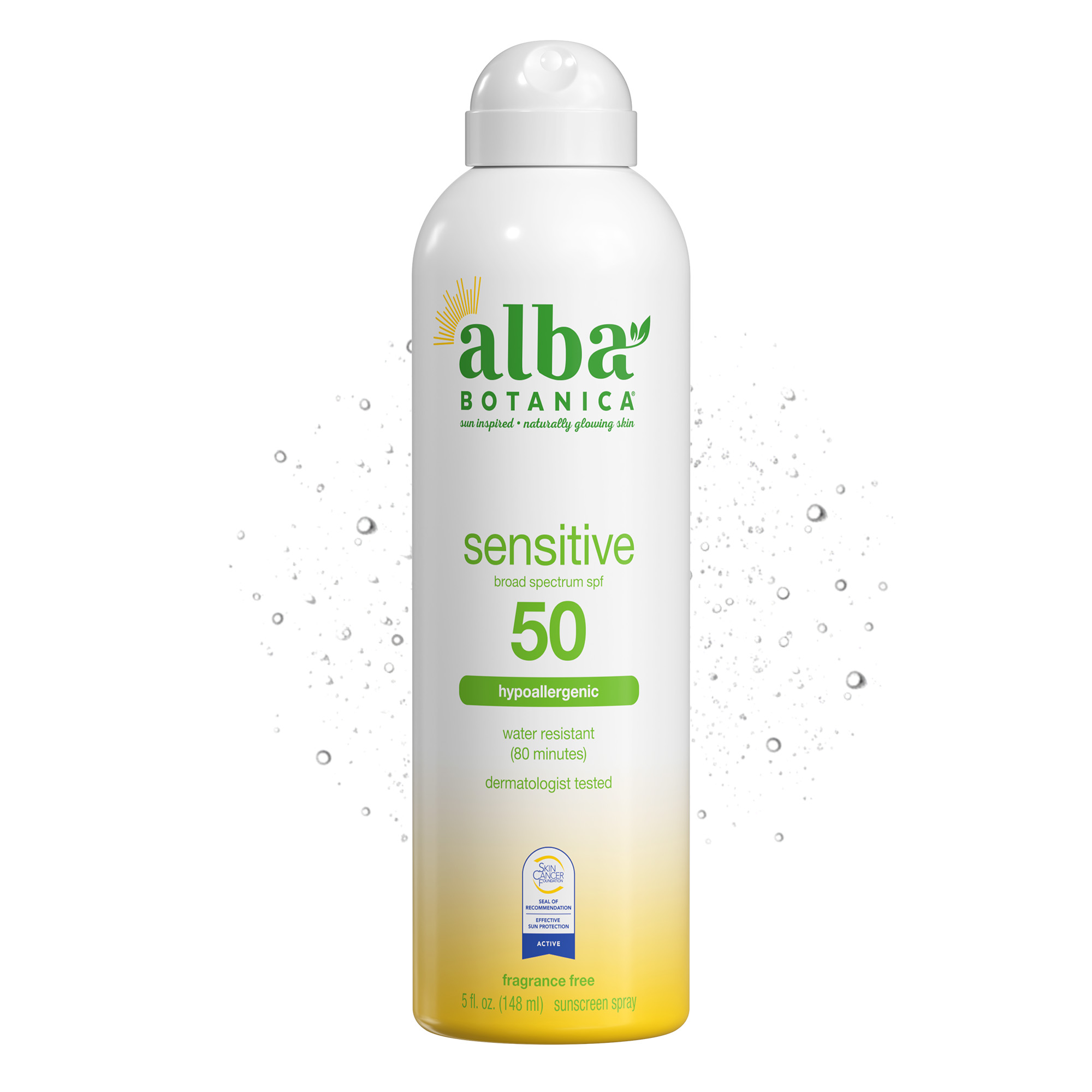
Sensitive Sunscreen Spray SPF 50
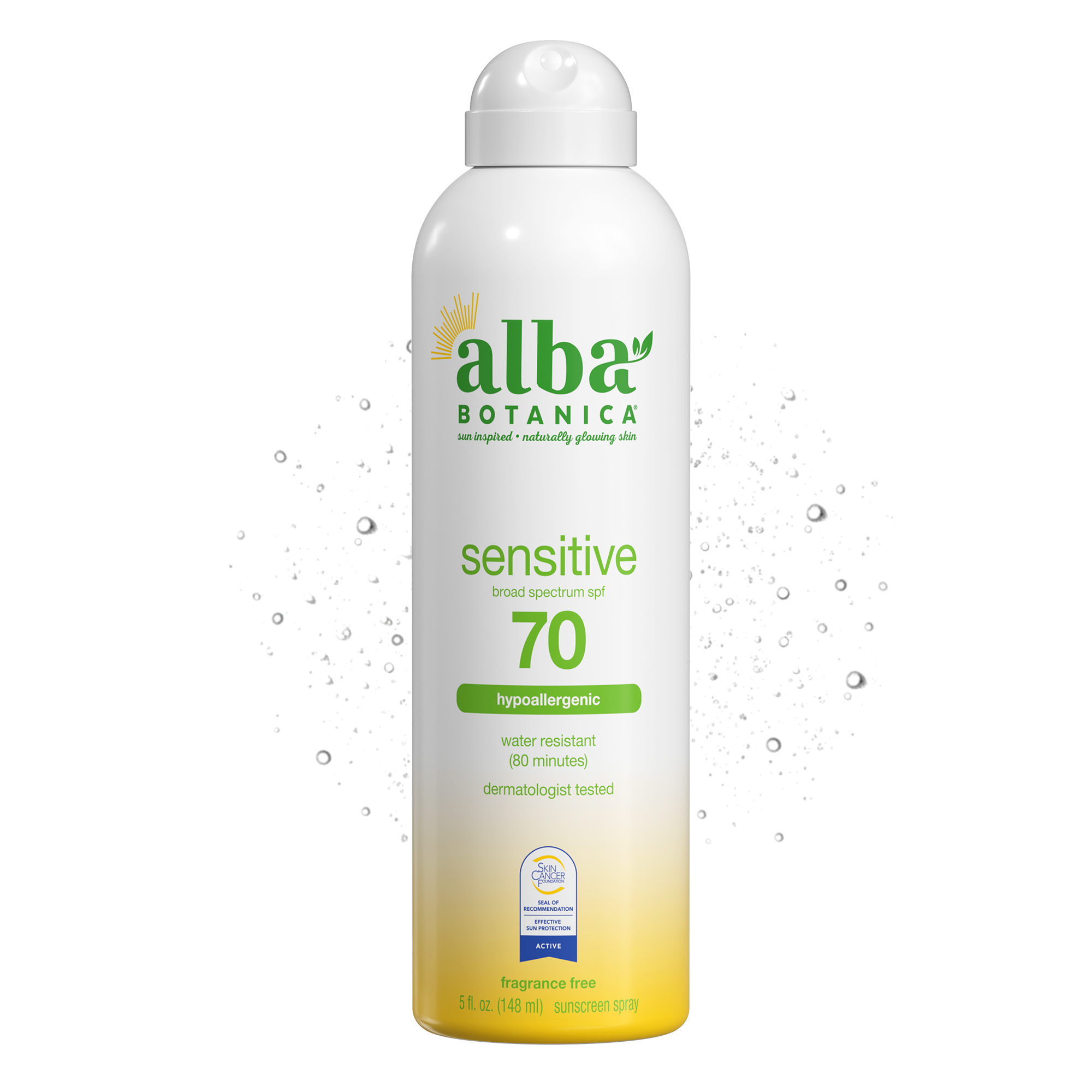
Sensitive Sunscreen Spray SPF 70
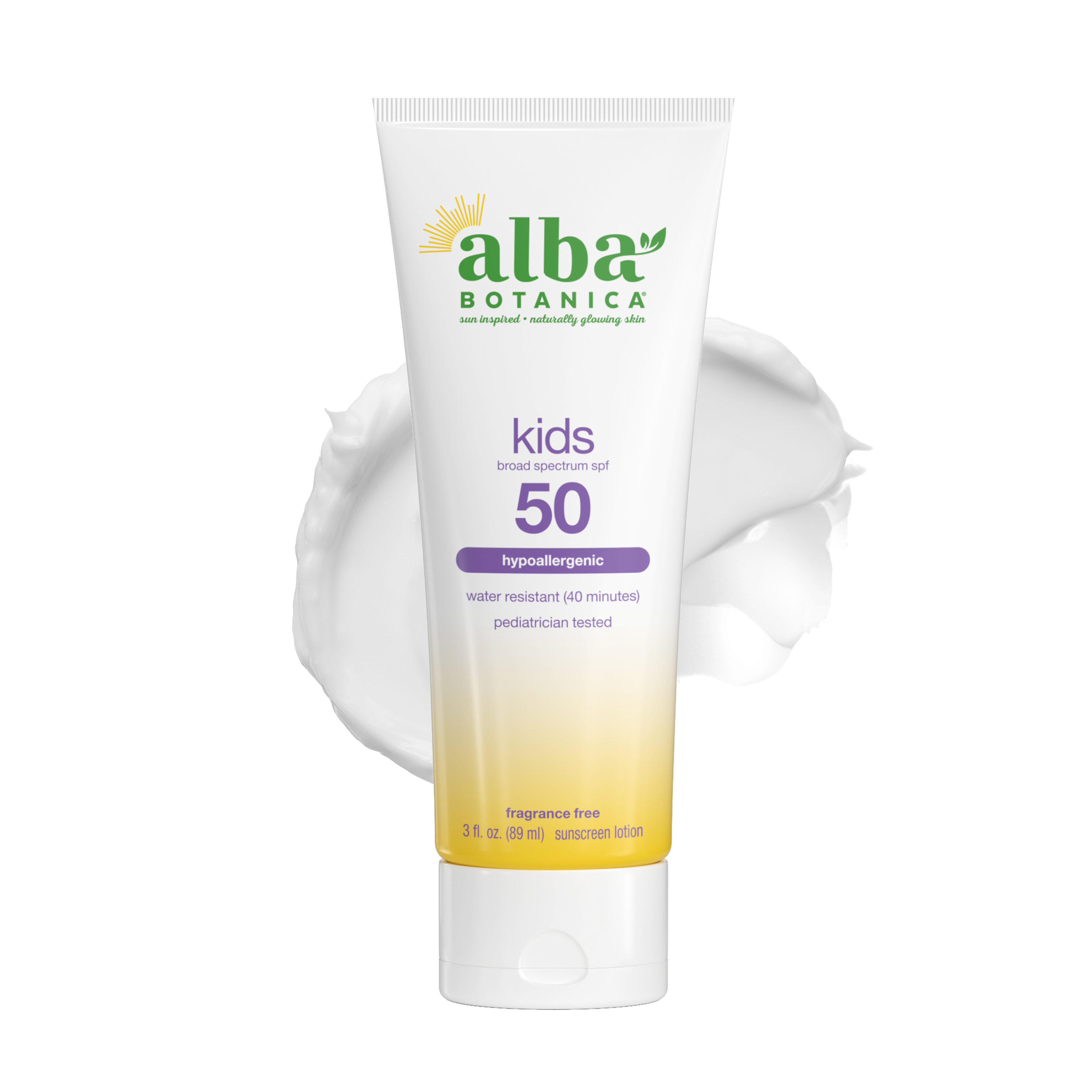
Kids Sunscreen Lotion SPF 50
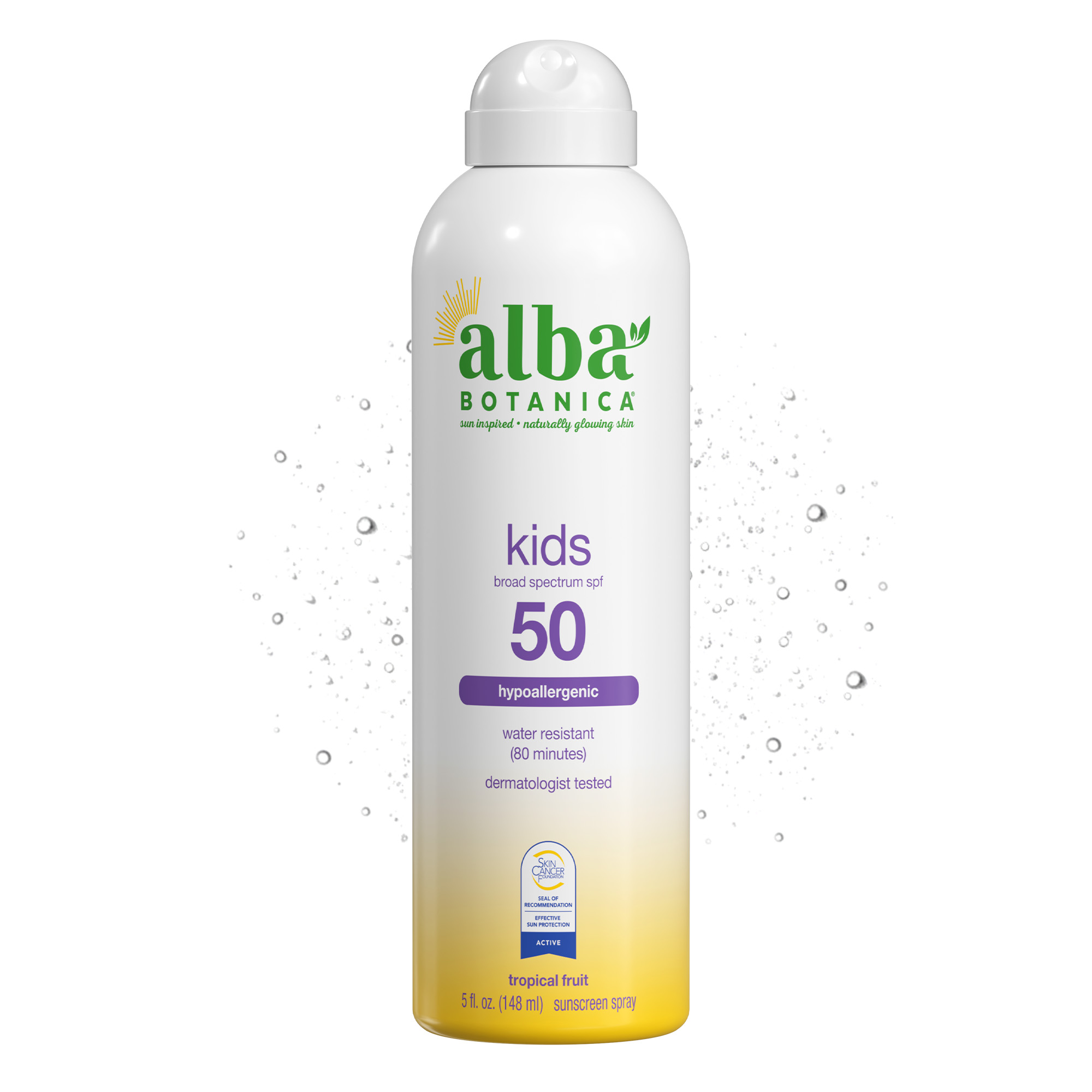
Kids Sunscreen Spray SPF 50
See all 549 products that list avobenzone →
Related ingredients: Oxybenzone, Octocrylene, Octinoxate, Homosalate
Last reviewed October 14, 2026.