Zinc Oxide
A mineral filter that sits on the skin and scatters and absorbs UV across the full UVA/UVB range. It is the only active ingredient permitted under the mineral-only ordinances on Maui and the Big Island (along with titanium dioxide).
No law we track restricts Zinc Oxide.
Is Zinc Oxide safe for your skin?
The FDA has proposed, but not finalized, that sunscreens with zinc oxide at up to 25% are generally recognized as safe and effective (GRASE), and it does not set different conditions for nano-sized and larger particles. EU and Australian reviewers also found no skin-safety concern for nano zinc oxide as used on skin, while the EU bars any use that could lead to inhalation, such as sprays.
- FDA status: zinc oxide and titanium dioxide are the only two sunscreen filters FDA has proposed as GRASE (2019 proposed rule, restated in the 2021 proposed order), at concentrations up to 25%. This is still a proposal. FDA's September 2026 final order only removed PABA and trolamine salicylate, and the other proposals are left to later orders.
- Nano vs non-nano (US): FDA does not propose different conditions for nano zinc oxide. Its proposal rests on evidence that zinc oxide, including nano-scale particles, does not penetrate into or through human skin to any great extent, and that any minimal penetration does not cause adverse health effects.
- Absorption and skin reactions: in the stable-isotope studies FDA reviewed, nanoscale zinc oxide led to minimal zinc absorption, orders of magnitude below daily dietary intake. FDA found low irritation, sensitization, photoallergenicity and phototoxic potential. No dermal carcinogenicity studies exist, and FDA considered them unnecessary given the minimal skin penetration.
- Nano vs non-nano (EU): the SCCS concluded that nano zinc oxide meeting set specifications, at up to 25% in sunscreens, can be considered not to pose a risk of adverse effects after dermal application. EU law (Regulation 2016/621) lists non-nano and nano zinc oxide separately and allows only nano forms that meet defined requirements, including a median particle size above 30 nm, water solubility below 50 mg/L and uncoated or listed coatings.
- Inhalation: both EU entries carry the condition that zinc oxide not be used in applications that may expose the lungs by inhalation, and the SCCS said nano zinc oxide in sprays could not be considered safe. In a 90-day rat inhalation study the SCCS set a no-effect level of 0.3 mg/m3 and said the data did not resolve its concerns about lung exposure.
- Australia: the TGA's 2017 review of zinc oxide and titanium dioxide nanoparticles in sunscreens found that most studies show they do not penetrate, or only minimally penetrate, the skin's outer layers. It concluded that on current evidence neither is likely to cause harm when used as sunscreen ingredients.
Sources (5)
- FDA: Questions and answers on FDA's regulatory actions on OTC sunscreen
- FDA 2019 Proposed Sunscreen Rule (84 FR 6204)
- SCCS (2013, revised 2014): Addendum to opinion SCCS/1489/12 on zinc oxide (nano form)
- Commission Regulation (EU) 2016/621 amending Annex VI to the Cosmetics Regulation
- TGA (Australia) 2017: Literature review on the safety of titanium dioxide and zinc oxide nanoparticles in sunscreens
Last reviewed October 14, 2026. This summarises what regulators and published studies found. It isn't medical advice.
Where it’s restricted
No location we track restricts Zinc Oxide.
Why it’s regulated
The EU allows zinc oxide as a UV filter at up to 25%, but Commission Regulation (EU) 2016/621 of 21 April 2016 says it may not be used in applications that could expose the user's lungs by inhalation. The Commission's stated reason was the view of its safety committee (SCCS) that nano zinc oxide in spray products could not be considered safe, a concern the SCCS limited to sprays that could reach the lungs.
What the reef research says
A 2018 laboratory study by Corinaldesi and colleagues found that uncoated zinc oxide nanoparticles caused severe, fast bleaching in Acropora corals by disrupting the coral's symbiosis with its algae, while the two modified titanium dioxide forms tested alongside them did not cause bleaching. The National Academies (2022) reports the zinc oxide exposure as 6,300 μg/L of uncoated 20–200 nm particles, with bleaching after 48 hours, and describes the documented impact of zinc oxide on corals as minimal, citing only that study. In seawater zinc oxide dissolves, and the Academies says its toxicity in marine tests does not depend on particle size or shape and has been attributed to dissolved zinc ions; it also concludes zinc oxide is more toxic to aquatic organisms than titanium dioxide. We found no coral study of coated zinc oxide: in microalgae, silane-coated nanoparticles released less zinc than uncoated ones and one of the two coatings was less growth-inhibiting (Yung et al. 2017), but the Academies notes a silane coating gave greater acute toxicity to the marine copepod Tigriopus japonicus. For comparison with the lab dose, the Academies cites measurements at French Mediterranean beaches of 10–15 μg/L zinc oxide in the surface layer and 1–3 μg/L in the water column, while noting that zinc oxide from sunscreen is hard to tell apart from other uses and natural sources of the material. It also says knowledge gaps remain for marine species, and that coral data are limited because standard toxicity tests do not cover endpoints such as bleaching.
Sources (9)
- FDA 2019 Proposed Sunscreen Rule (84 FR 6204)
- Corinaldesi et al. 2018, Science of the Total Environment 637-638: Impact of inorganic UV filters contained in sunscreen products on tropical stony corals (Acropora spp.)
- National Academies (2022), ch. 6: Review of studies on the effects of UV filters in aquatic environments
- National Academies (2022), ch. 4: Fate, Transport, and Potential Exposure in the Environment
- National Academies (2022), ch. 8: Conclusions and recommendations
- Yung et al. 2017, Scientific Reports: Physicochemical characteristics and toxicity of surface-modified zinc oxide nanoparticles to freshwater and marine microalgae
- Commission Regulation (EU) 2016/621 amending Annex VI to the Cosmetics Regulation
- FDA: Questions and answers on FDA's regulatory actions on over-the-counter sunscreen (content current as of 10 Sept 2026)
- 21 CFR 352.10, Sunscreen active ingredients (eCFR; ensulizole, meradimate, octinoxate and octisalate appear under their revised names in the stayed 2002 amendment)
Products that contain it (419)
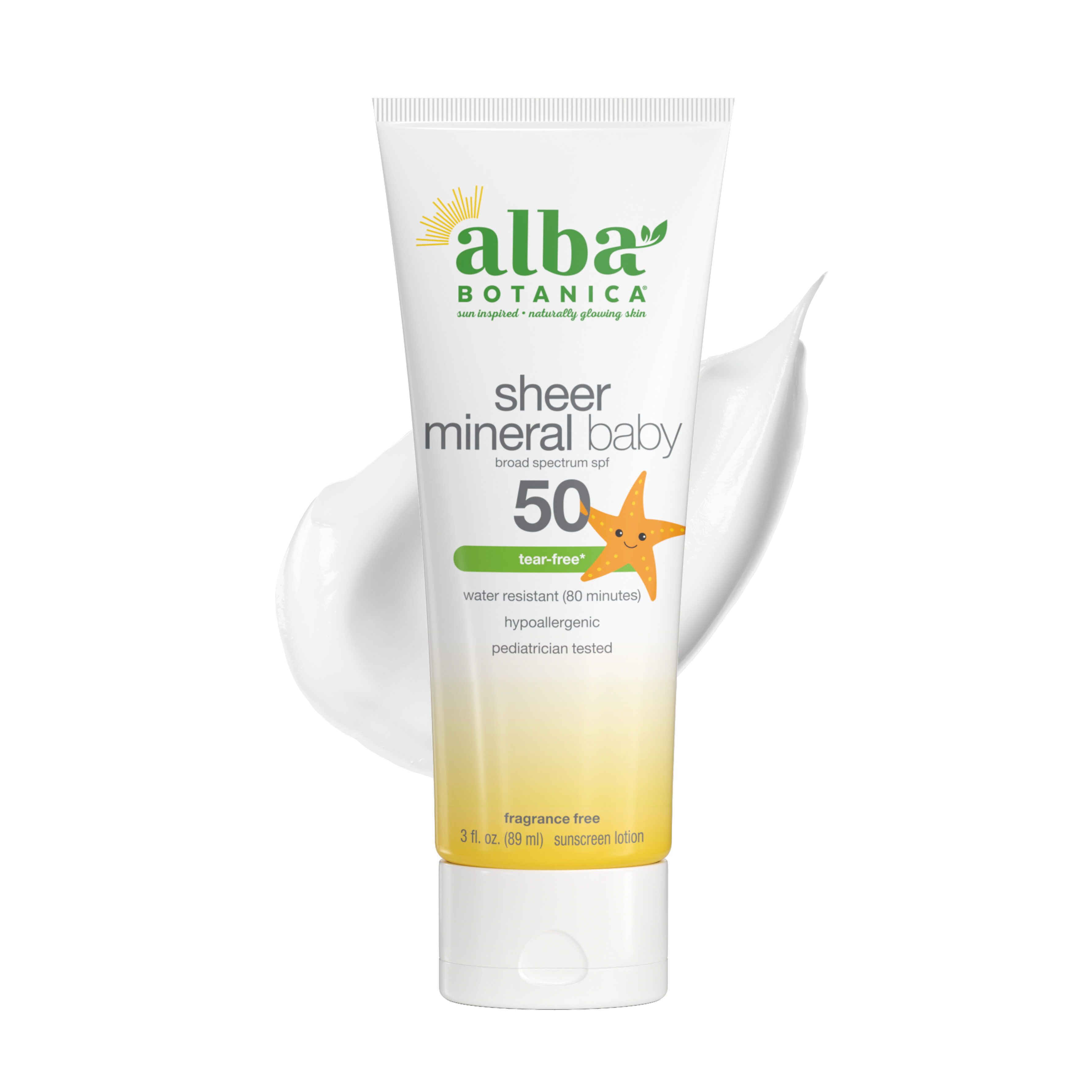
Baby Mineral Sunscreen Lotion SPF 50
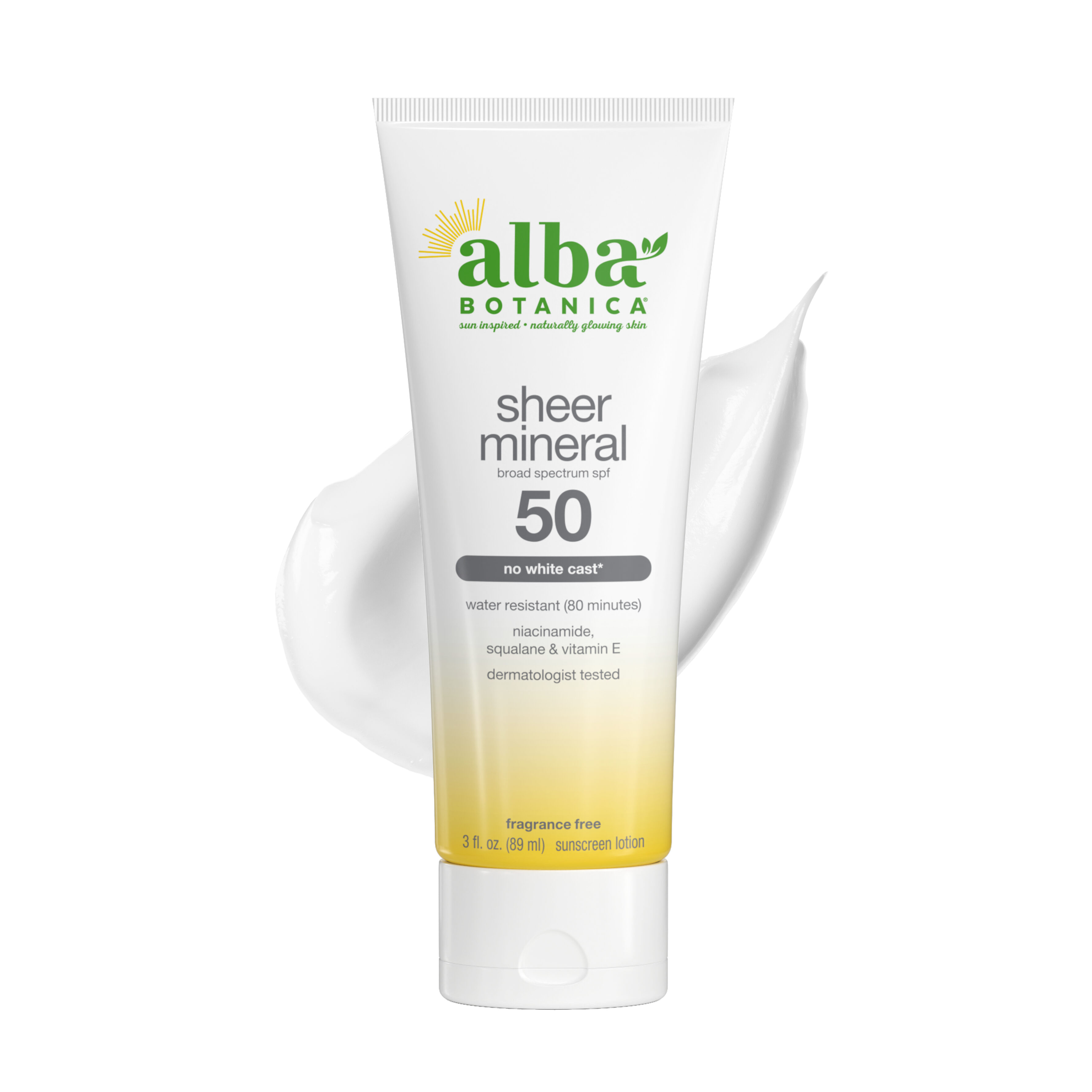
Sheer Mineral Sunscreen Lotion SPF 50
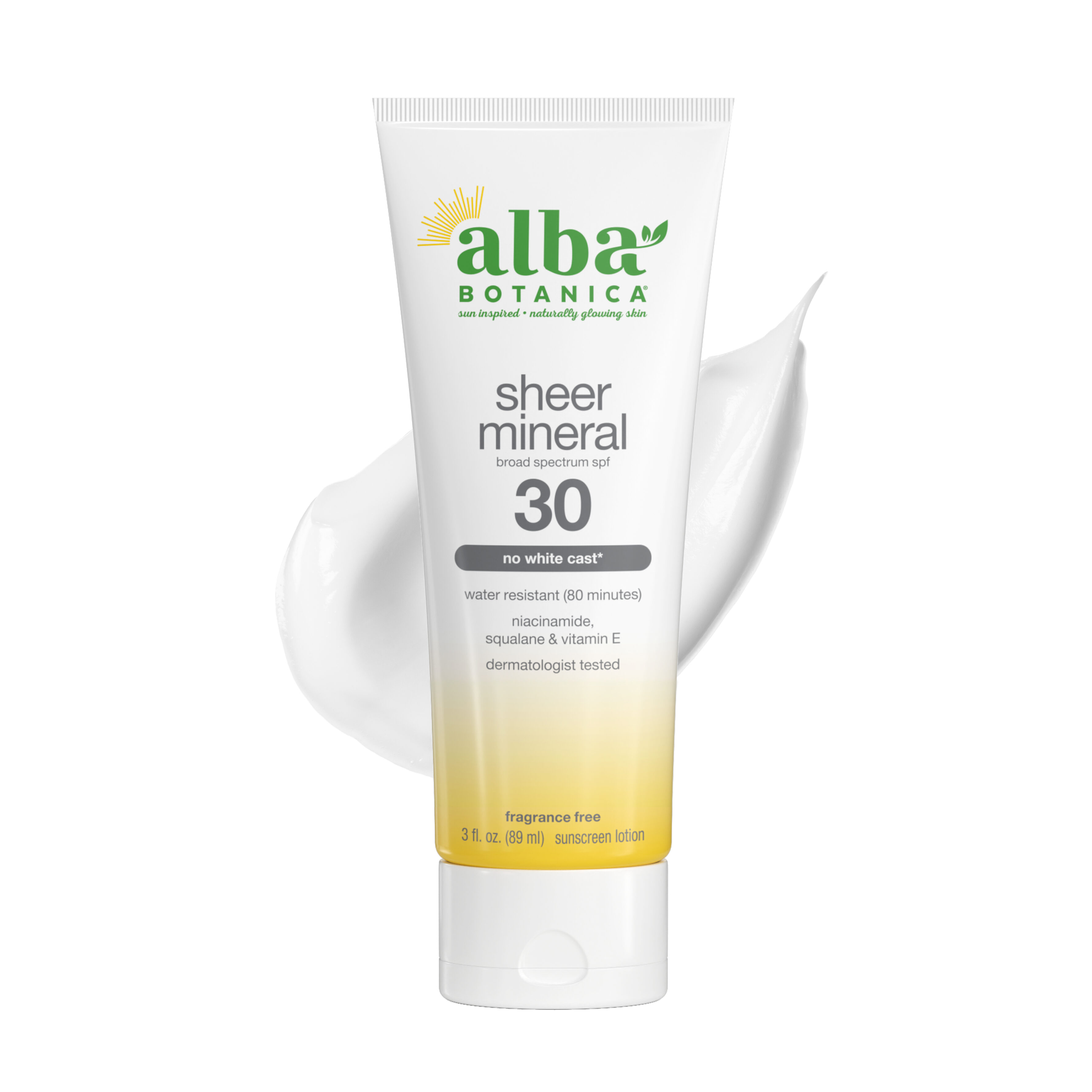
Sheer Mineral Sunscreen Lotion SPF 30
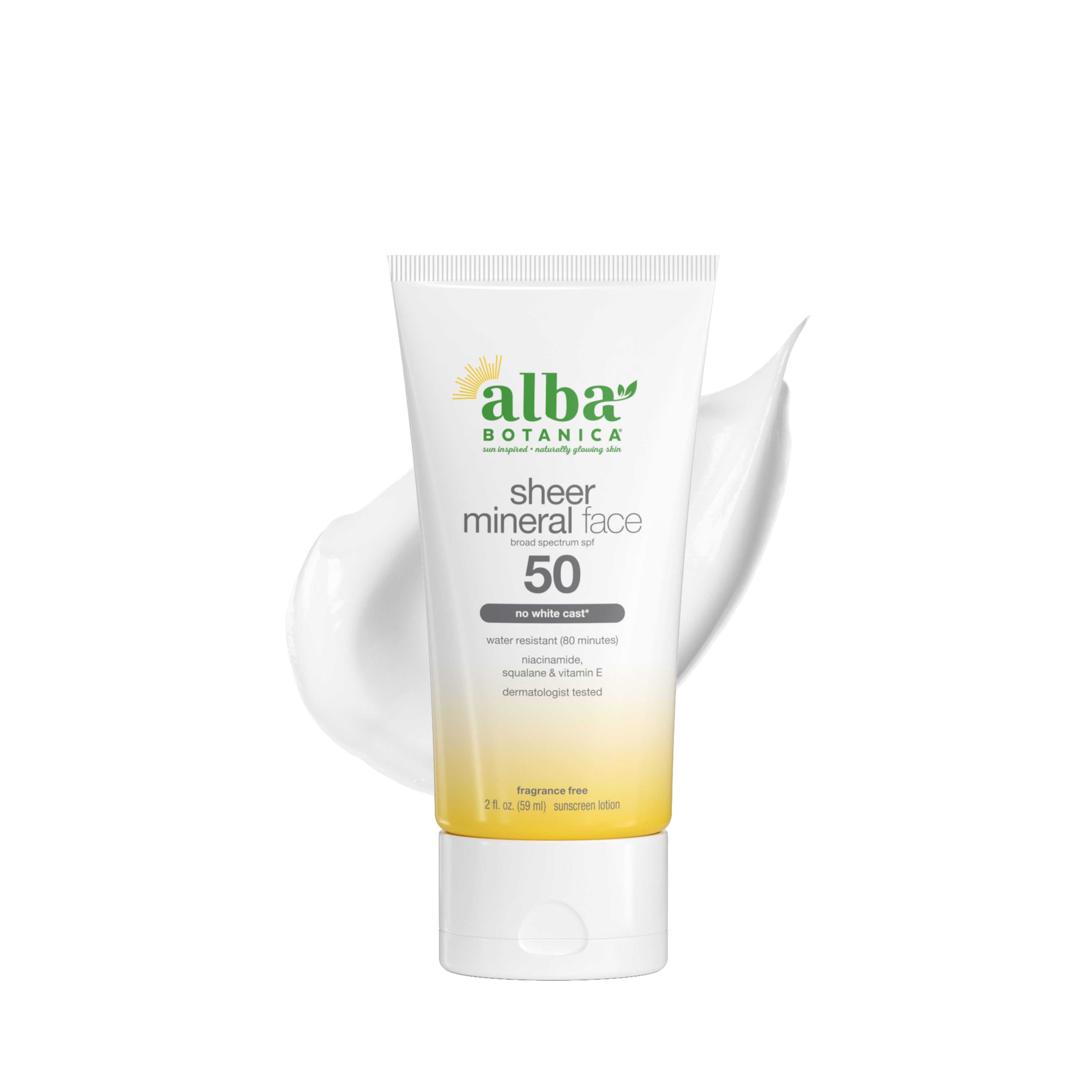
Sheer Mineral Sunscreen Face Lotion SPF 50
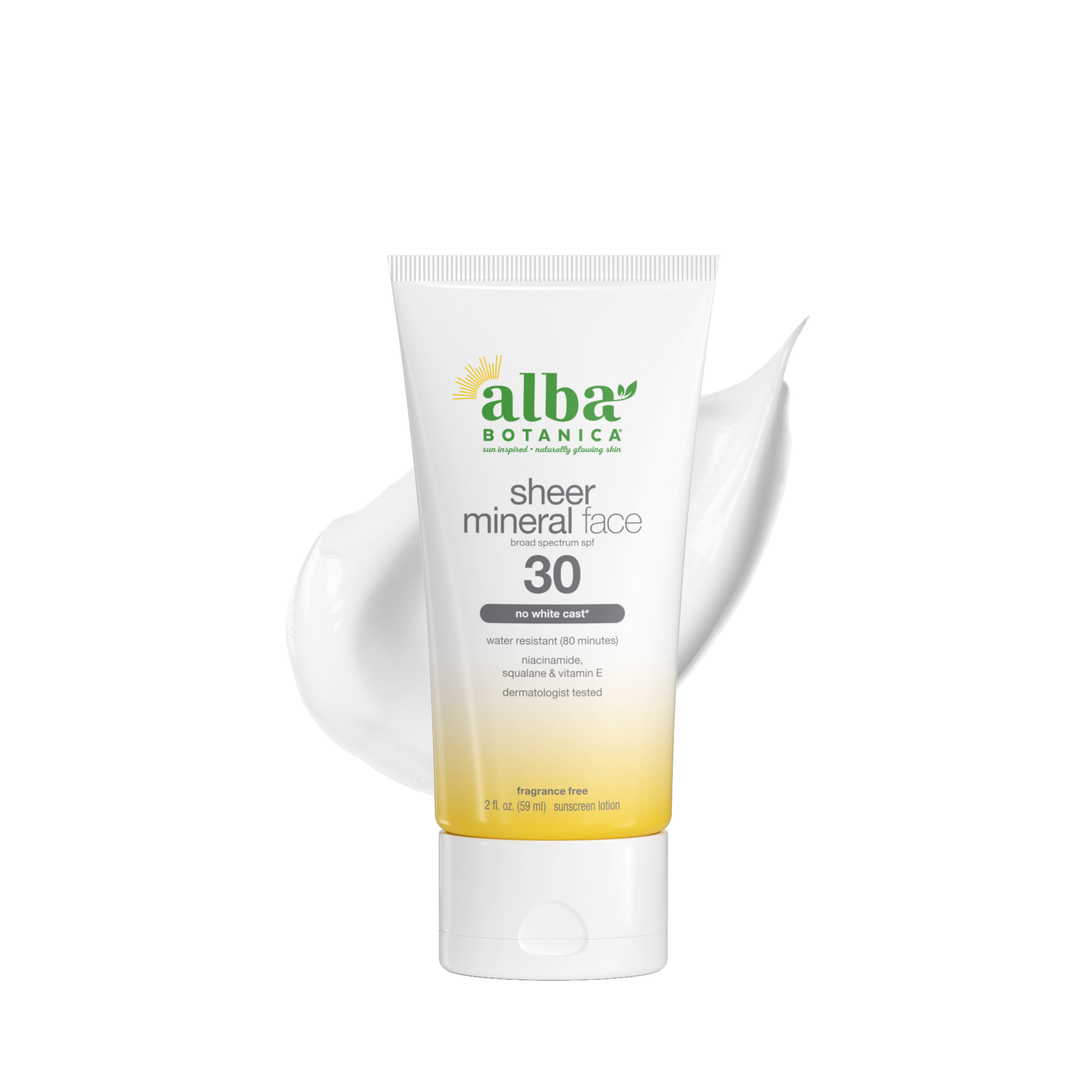
Sheer Mineral Sunscreen Face Lotion SPF 30
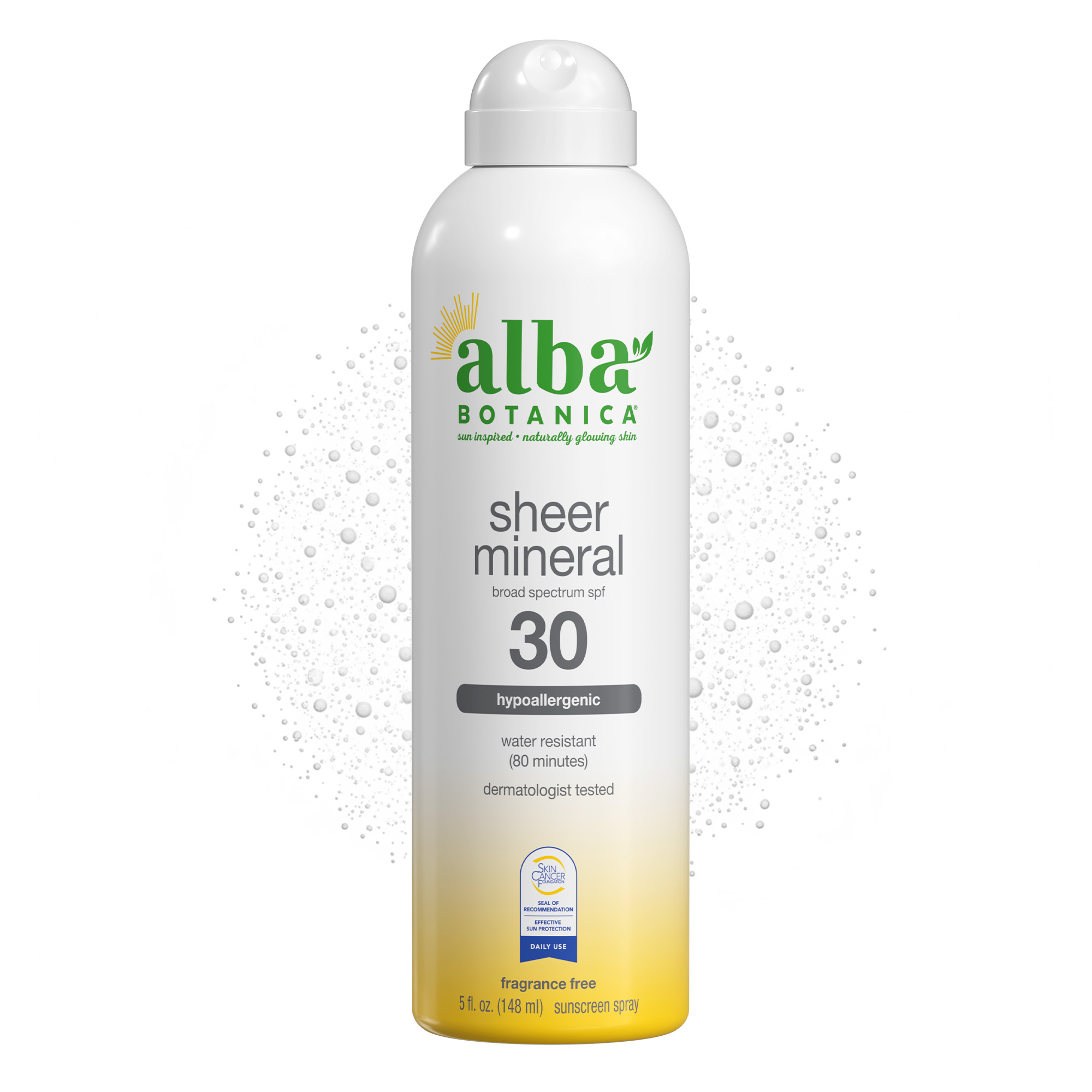
Sheer Mineral Sunscreen Spray SPF 30
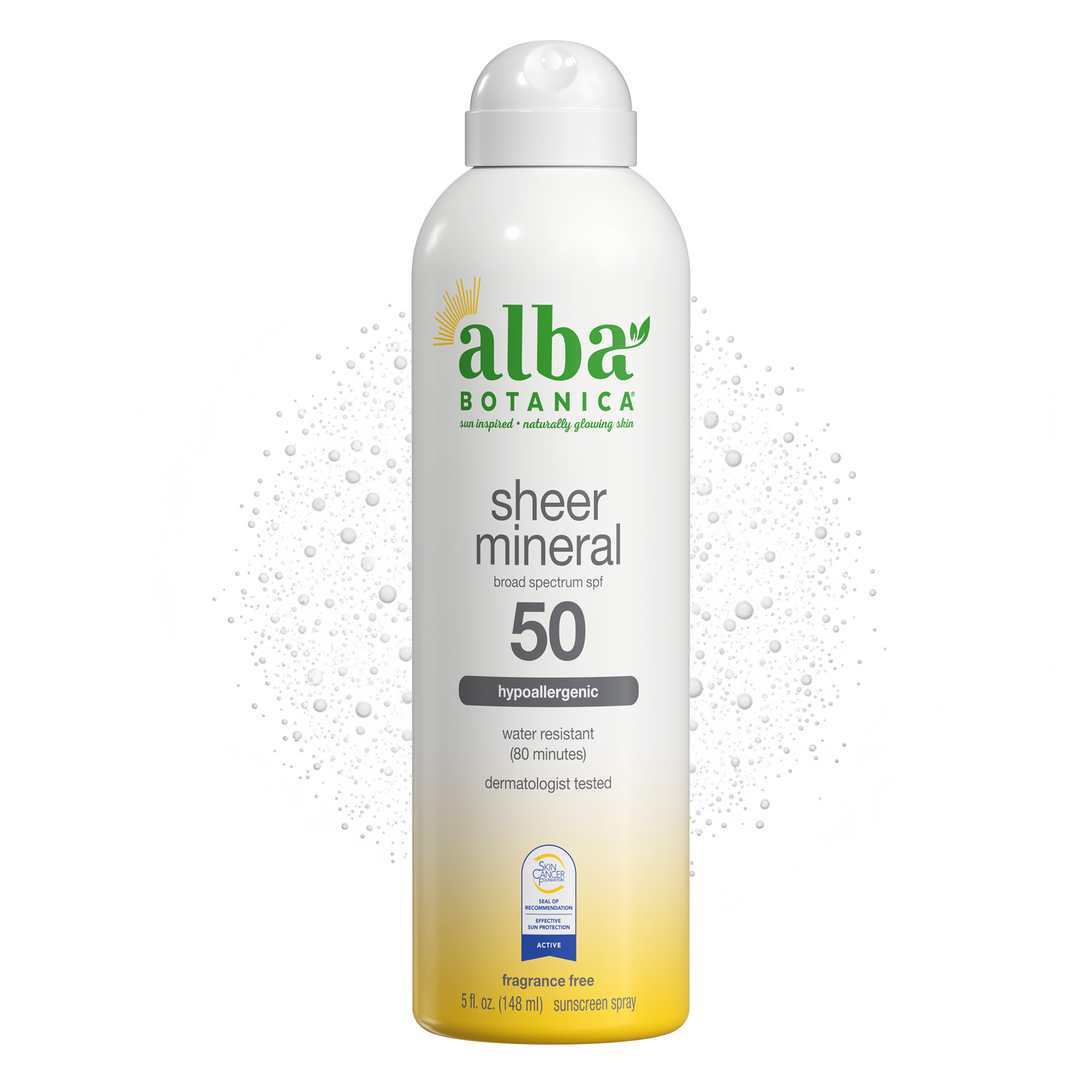
Sheer Mineral Sunscreen Spray SPF 50
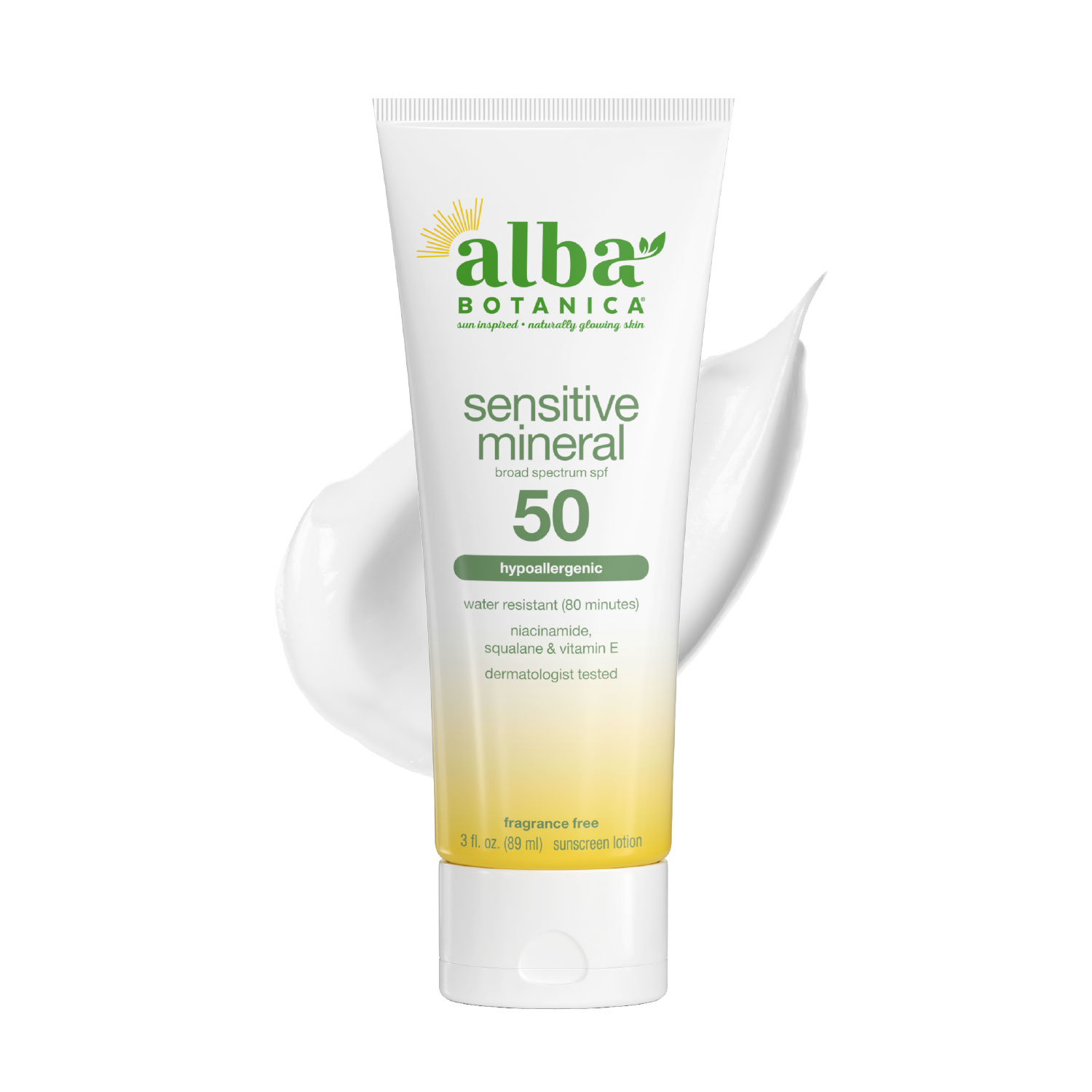
Sensitive Mineral Sunscreen Lotion SPF 50
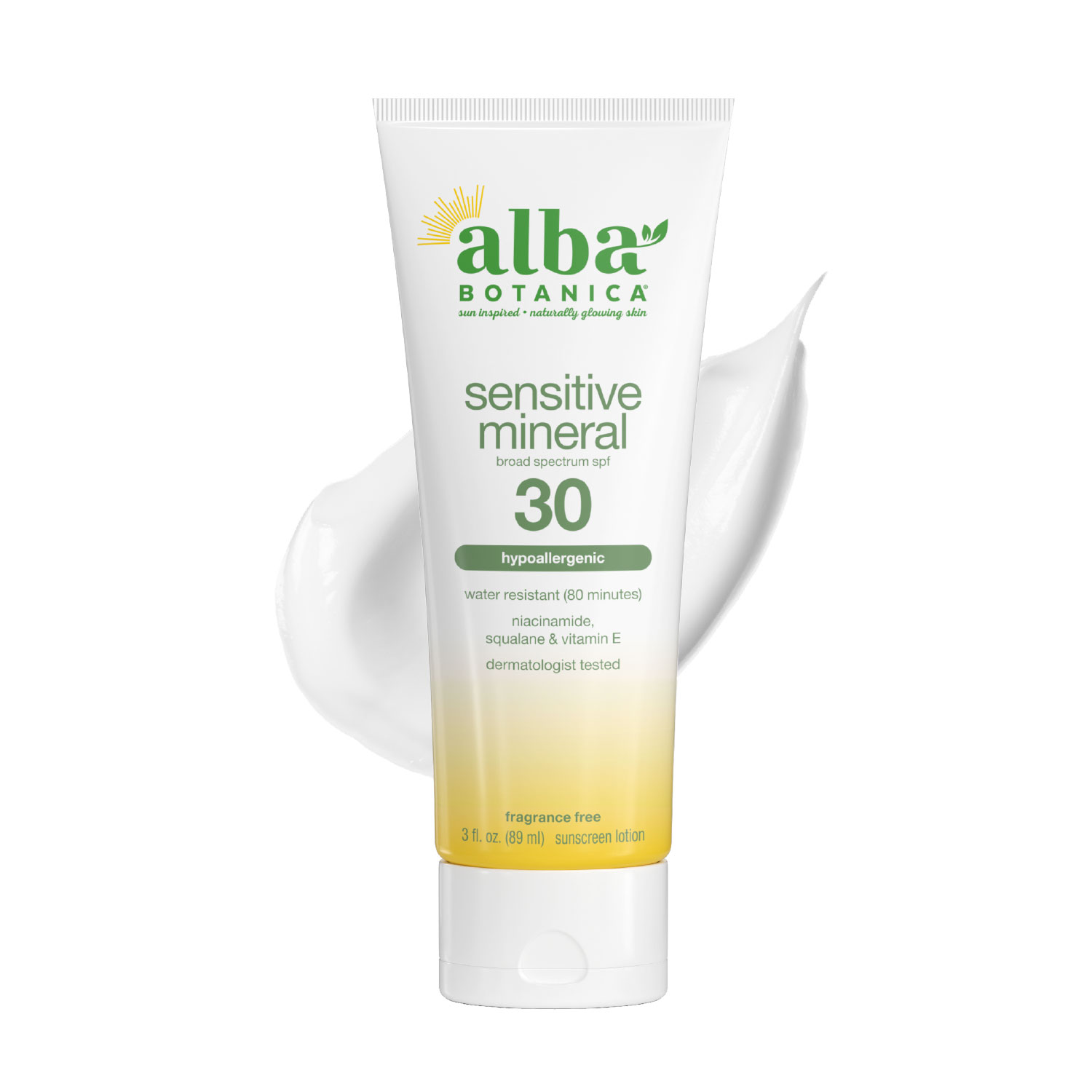
Sensitive Mineral Sunscreen Lotion SPF 30
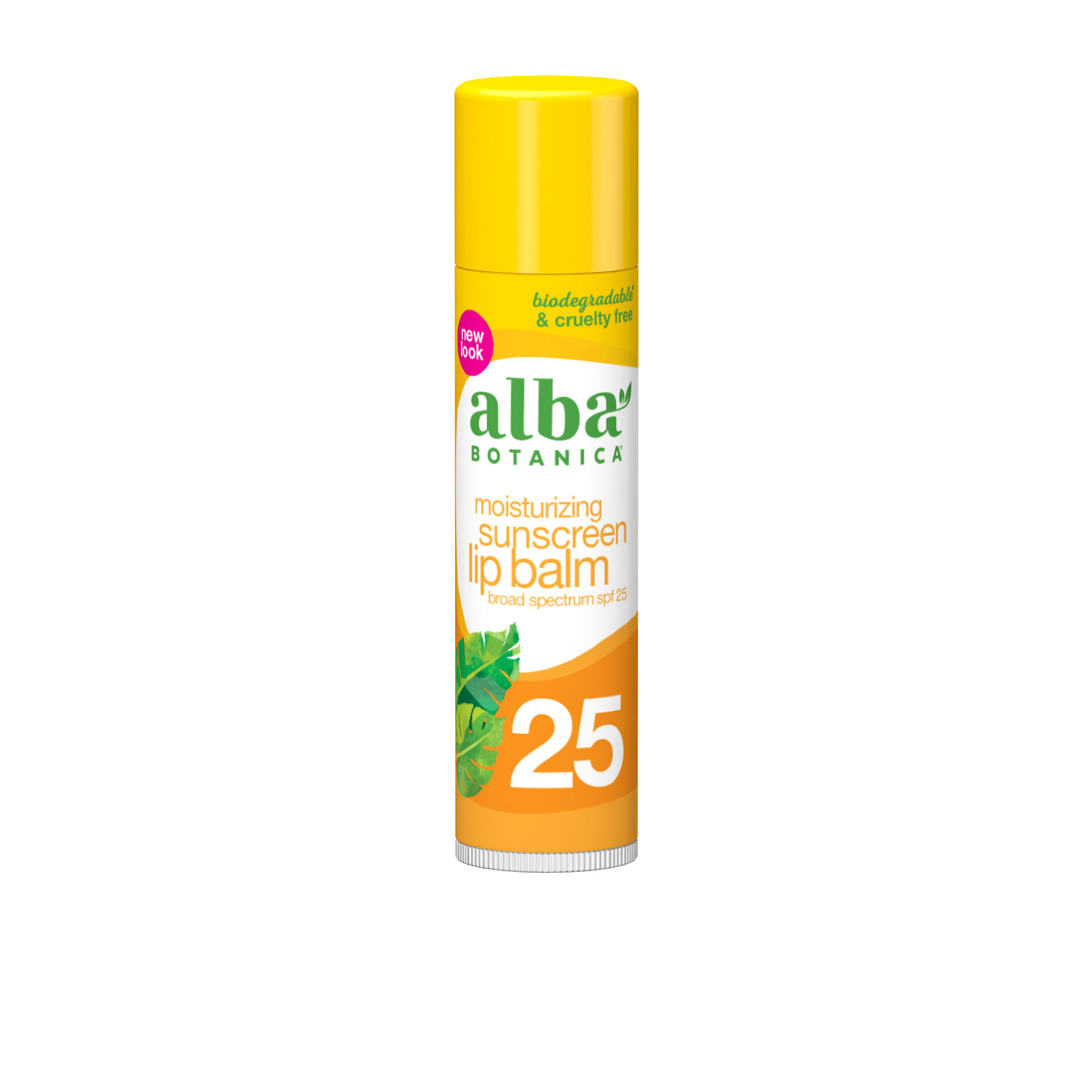
Moisturizing Sunscreen Lip Balm SPF 25

SPF 30 Sport Mineral Sunscreen Lotion

SPF 30 Kids Mineral Sunscreen Lotion
See all 419 products that list zinc oxide →
Related ingredients: Titanium Dioxide, Nanoparticles (nano-sized minerals), Oxybenzone, Avobenzone
Last reviewed October 14, 2026.