Homosalate
A UVB filter common in US sport sunscreens. Palau is the only reef law we track that names it.
Banned in
- Palau
Also excluded where only mineral sunscreen is allowed
- Maui County
- Hawaiʻi County
Is Homosalate safe for your skin?
The EU's scientific committee (SCCS) concluded in 2021 that homosalate at 10% was not safe and that 0.5% was, mainly because the safety margin calculated from an oral rat study was too low at higher concentrations. The EU now caps it at 7.34% in face products, applying from 2025. The SCCS called the evidence that it disrupts hormones inconclusive. The FDA lists it as lacking enough data, a request for data rather than a finding of harm, and Australia's TGA recommended restricting it too.
- EU SCCS opinion (SCCS/1622/20, adopted 24-25 June 2021): not safe as a UV filter at up to 10%, and safe up to a maximum of 0.5% in the final product.
- How the SCCS got there: it took a LOAEL of 60 mg/kg bw/day from an oral rat reproduction/developmental screening study, and calculated a margin of safety of 6.3 for daily sunscreen lotion at 10% (dermal exposure only). It worked back from a target margin of 100, which implied no more than 0.63% homosalate in the final product.
- Endocrine concern: the SCCS called the evidence for endocrine-disrupting properties inconclusive and at best equivocal. It saw indications of possible effects in some studies but not enough to set an endocrine-based safety limit.
- EU law: SCCS advice of 2 December 2021 found 7.34% safe in face cream and pump spray. Regulation (EU) 2022/2195 (10 November 2022) limits homosalate to 7.34% in face products other than propellant sprays. Non-compliant products cannot be placed on the EU market from 1 January 2025 or made available from 1 July 2025.
- Absorption: in a 2020 randomized trial (Matta et al., JAMA) of 48 healthy participants, homosalate reached average peak blood levels of 23.1, 17.9 and 13.9 ng/mL with aerosol, nonaerosol and pump sprays. All six ingredients tested were above the FDA's 0.5 ng/mL threshold after one application, and homosalate stayed above it in 55% of participants until day 21. The authors said the results do not mean people should stop using sunscreen.
- FDA: homosalate is one of the sunscreen filters FDA says need additional data to be classed as generally recognized as safe and effective. FDA states this is not a conclusion that they are unsafe.
- Australia's TGA (2025) recommended restricting homosalate's permitted concentration and use. Its margin of safety was below 100 for general body use at the maximum permitted concentration, and above 100 for face-and-hands-only use at 2.7% to 11.4%, depending on product type. It said the endocrine data were not adequate to conclude causality in humans.
Sources (6)
- EU SCCS Opinion on Homosalate (SCCS/1622/20), final version 24-25 June 2021
- SCCS Opinion on Homosalate, full text (sccs_o_244)
- Commission Regulation (EU) 2022/2195 of 10 November 2022 (homosalate restriction), EUR-Lex
- FDA: Questions and answers on FDA's regulatory actions on OTC sunscreen
- Matta et al. 2020, JAMA: effect of sunscreen application on plasma concentration of sunscreen active ingredients
- TGA (Australia) 2025: Safety review of seven active sunscreen ingredients
Last reviewed October 14, 2026. This summarises what regulators and published studies found. It isn't medical advice.
Where it’s restricted
Named in the law or guidance
| Location | Status | Since |
|---|---|---|
| Palau law text ↗ | In force | January 1, 2020 |
Also not allowed under mineral-only rules
Homosalate isn’t named in these laws, but they allow only mineral (zinc oxide or titanium dioxide) sunscreens, so a product containing it is excluded anyway.
- Maui County (Maui, Molokaʻi, Lānaʻi) (in force since October 1, 2022)
- Hawaiʻi County (Big Island) (in force since December 1, 2022)
Why it’s regulated
The EU restricted homosalate on human-health grounds: after the SCCS opinion of 24-25 June 2021 found it not safe as a UV filter at up to 10%, Commission Regulation (EU) 2022/2195 of 10 November 2022 limited it to 7.34% in face products other than propellant sprays, with non-compliant products barred from the EU market from 1 January 2025 (1 July 2025 for products already on sale). The SCCS assessment did not cover environmental safety. In the US, FDA's 2021 proposed order lists homosalate among sunscreen filters that need additional data before they can be classed as generally recognized as safe and effective, which FDA says is not a finding that they are unsafe.
What the reef research says
In a 2020 metabolomics study (Stien et al., Scientific Reports), Pocillopora damicornis fragments exposed for 7 days at up to 1,000 µg/L showed no change in their overall metabolite profile, though polyps in the 1 mg/L group were closed at the end of the test while control polyps were not, and the authors said homosalate needed further investigation. A 2021 review of the reef literature (Mitchelmore et al.) reported that a 2019 Hawaii monitoring study found homosalate in coral tissue, with the highest median tissue levels of the filters measured alongside ethylhexyl salicylate. The same review put median UV filter concentrations near reefs at or below about 100 ng/L. Separately, only two studies reported homosalate above 1,000 ng/L in reef water, and one of them recovered under 11% of homosalate in its analysis, so those readings are uncertain. The review concluded that there is limited evidence that organic UV filters are significantly harming reefs, but also said it would be premature to conclude they are not.
Sources (10)
- EU SCCS Opinion on Homosalate (SCCS/1622/20), final version 24-25 June 2021
- SCCS Opinion on Homosalate, full text (sccs_o_244)
- Commission Regulation (EU) 2022/2195 of 10 November 2022 (homosalate restriction), EUR-Lex
- FDA: Questions and answers on FDA's regulatory actions on OTC sunscreen
- Matta et al. 2020, JAMA: effect of sunscreen application on plasma concentration of sunscreen active ingredients
- TGA (Australia) 2025: Safety review of seven active sunscreen ingredients
- Stien et al. 2020, Scientific Reports: A unique approach to monitor stress in coral exposed to emerging pollutants
- Mitchelmore et al. 2021, Environ Toxicol Chem: A critical review of organic ultraviolet filter exposure, hazard, and risk to corals
- Systematic review of toxicity thresholds of chemical pollutants for tropical reef-building corals (Environmental Evidence, 2023)
- 21 CFR 352.10, Sunscreen active ingredients (eCFR; ensulizole, meradimate, octinoxate and octisalate appear under their revised names in the stayed 2002 amendment)
Products that contain it (497)
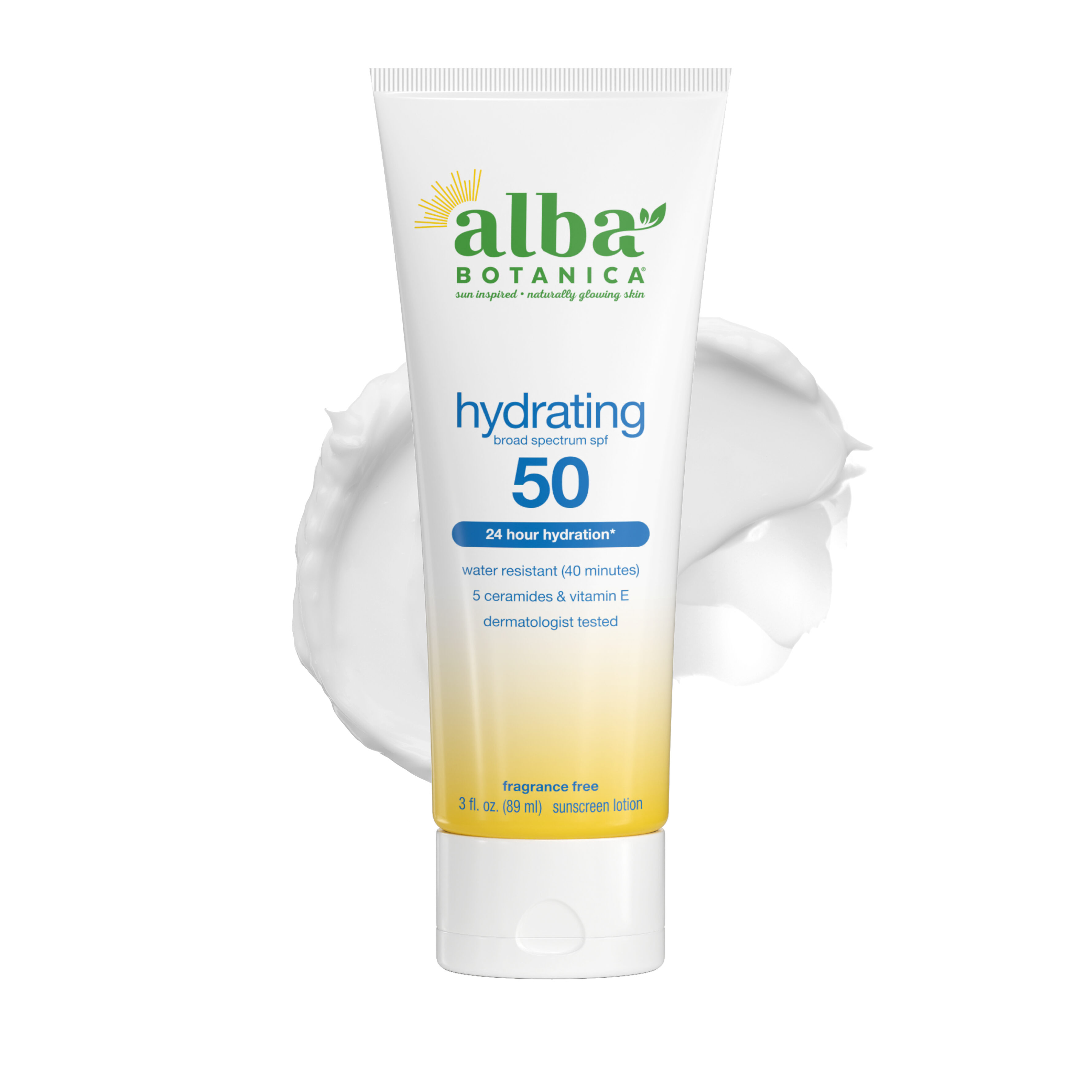
Hydrating Sunscreen Lotion SPF 50
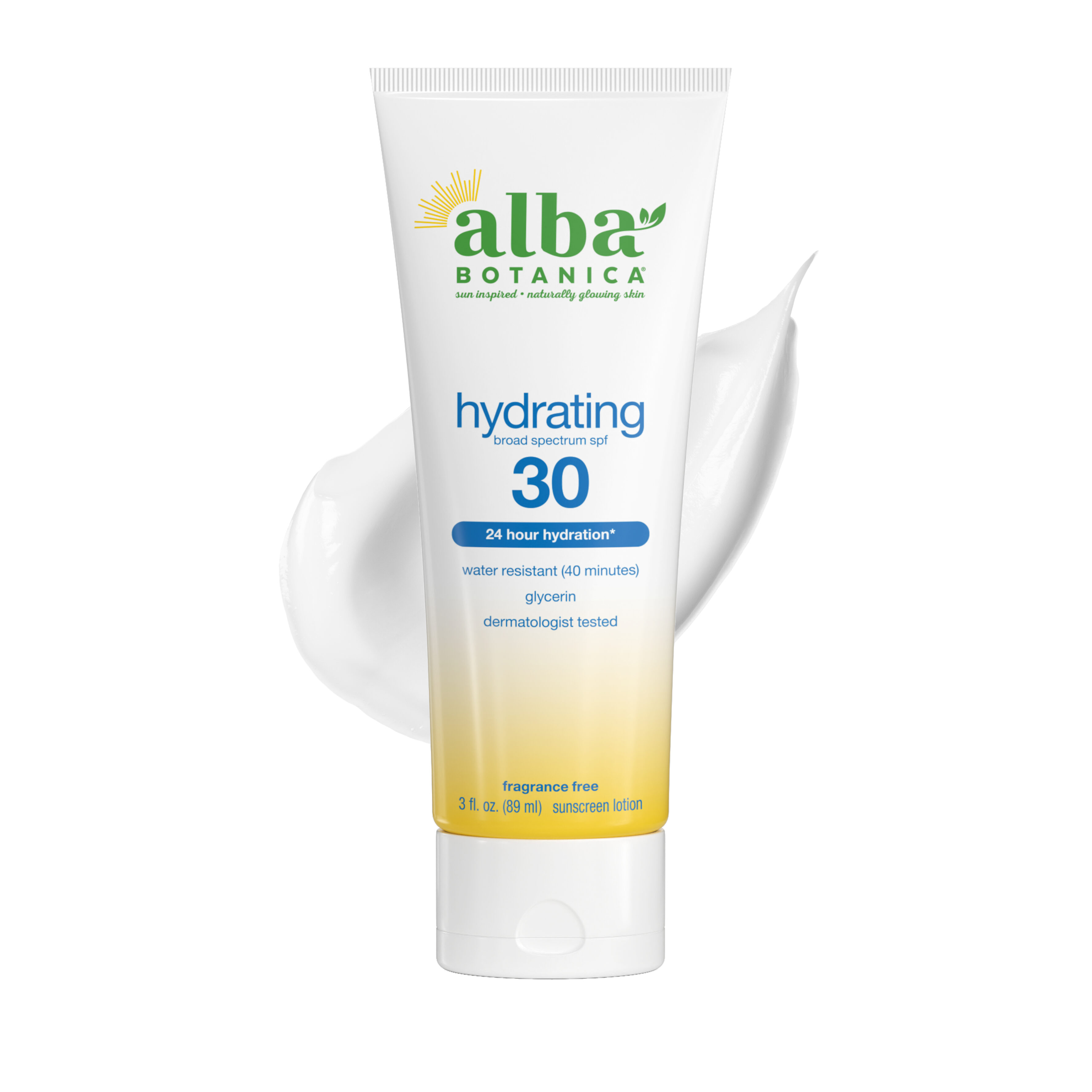
Hydrating Sunscreen Lotion SPF 30
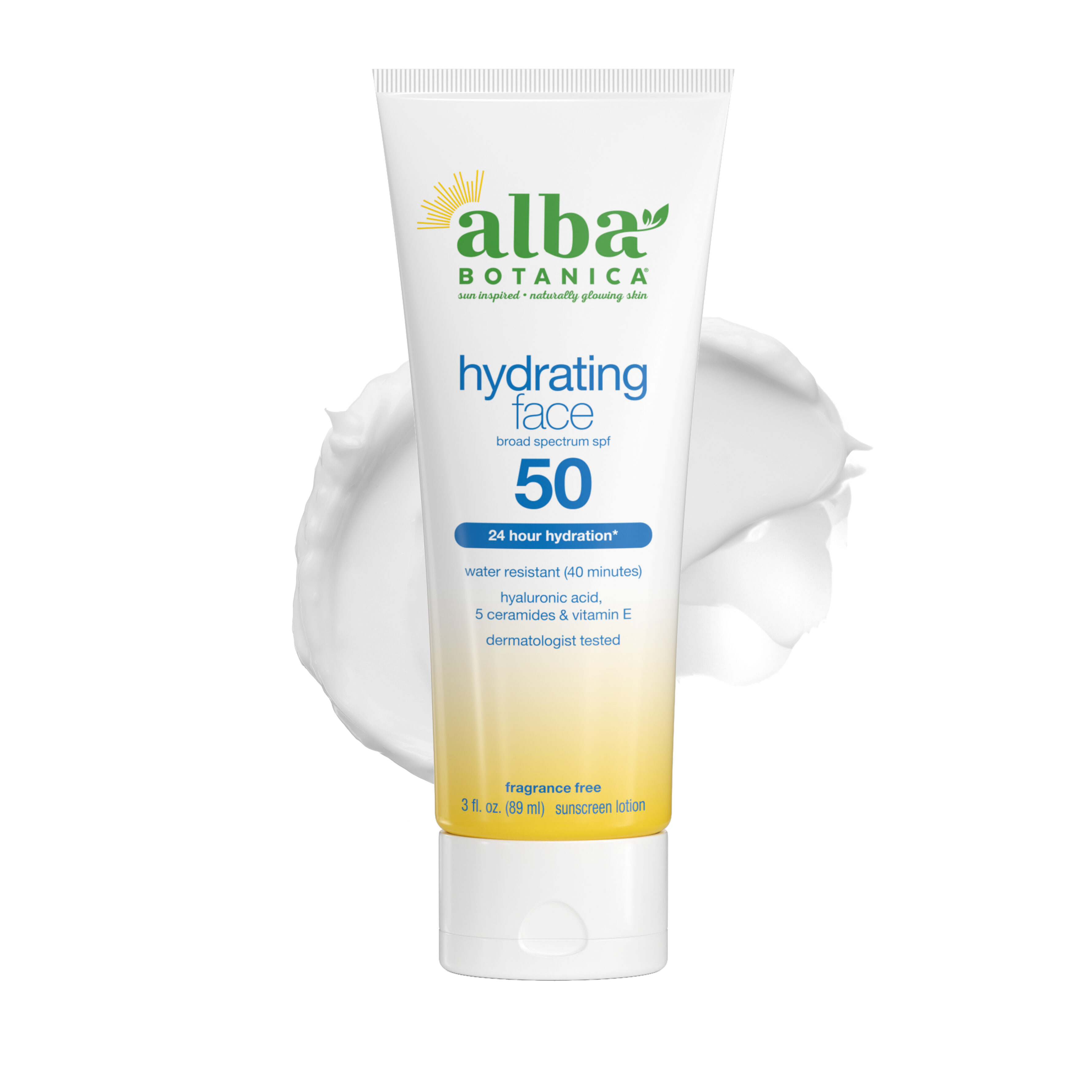
Hydrating Sunscreen Face Lotion SPF 50
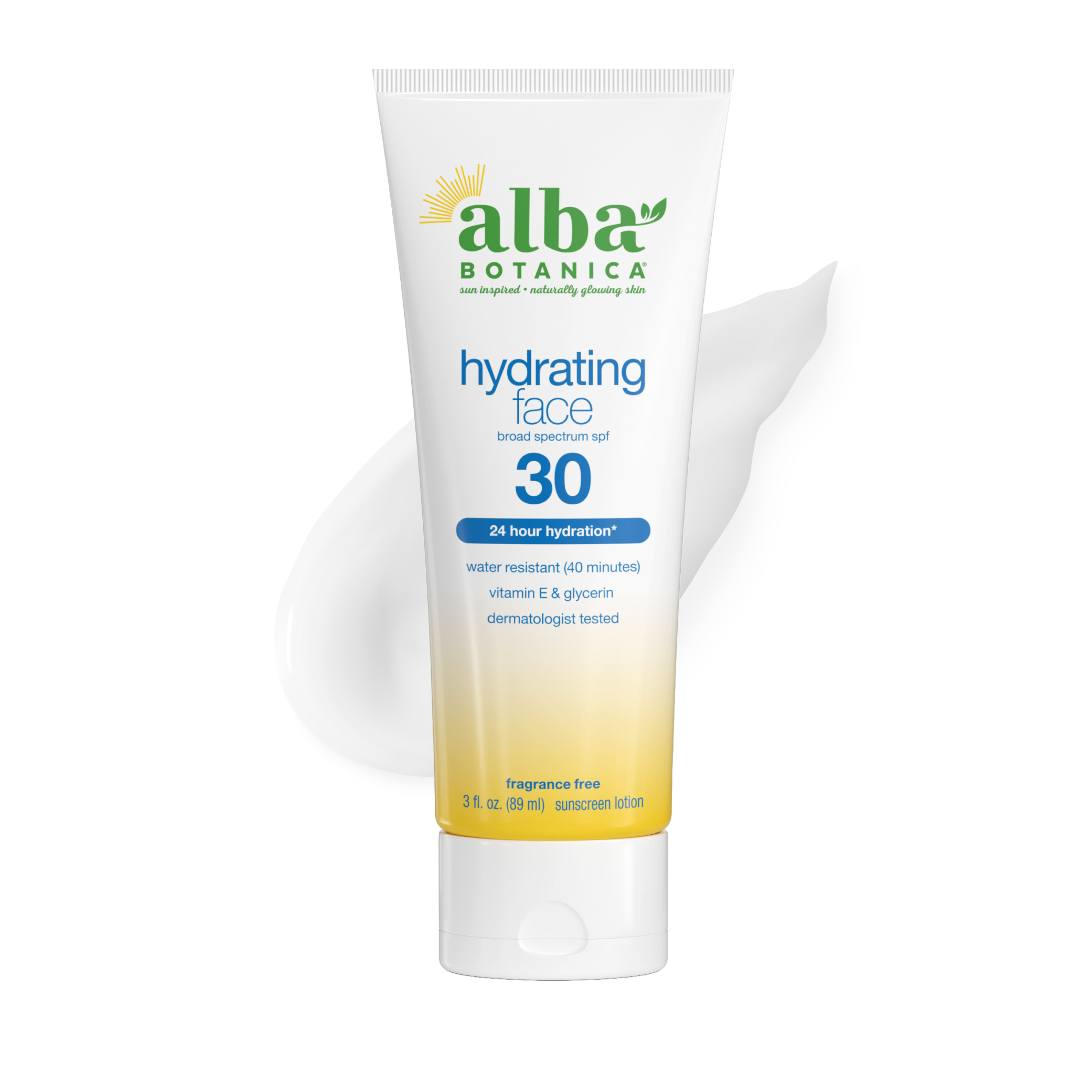
Hydrating Sunscreen Face Lotion SPF 30
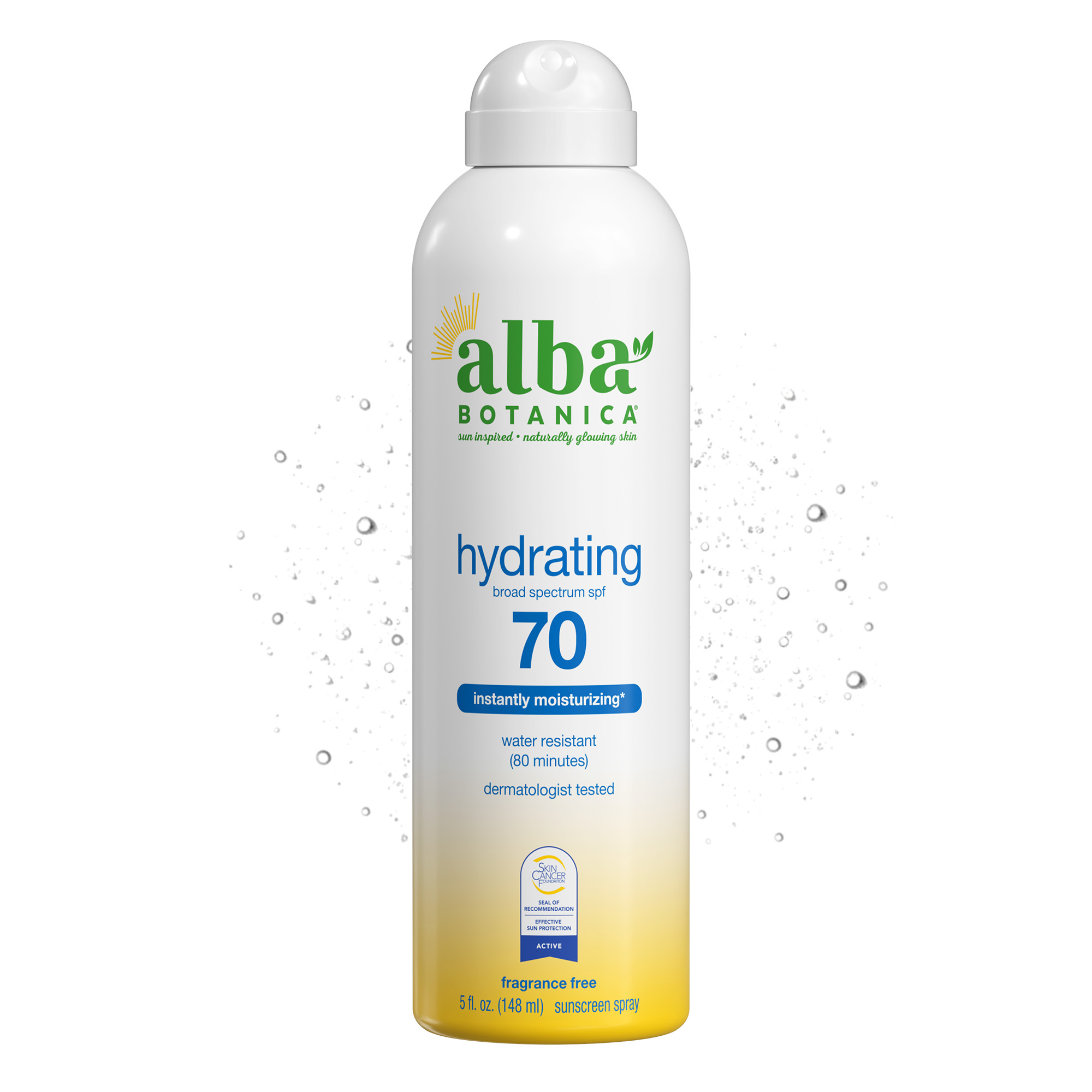
Hydrating Sunscreen Spray SPF 70
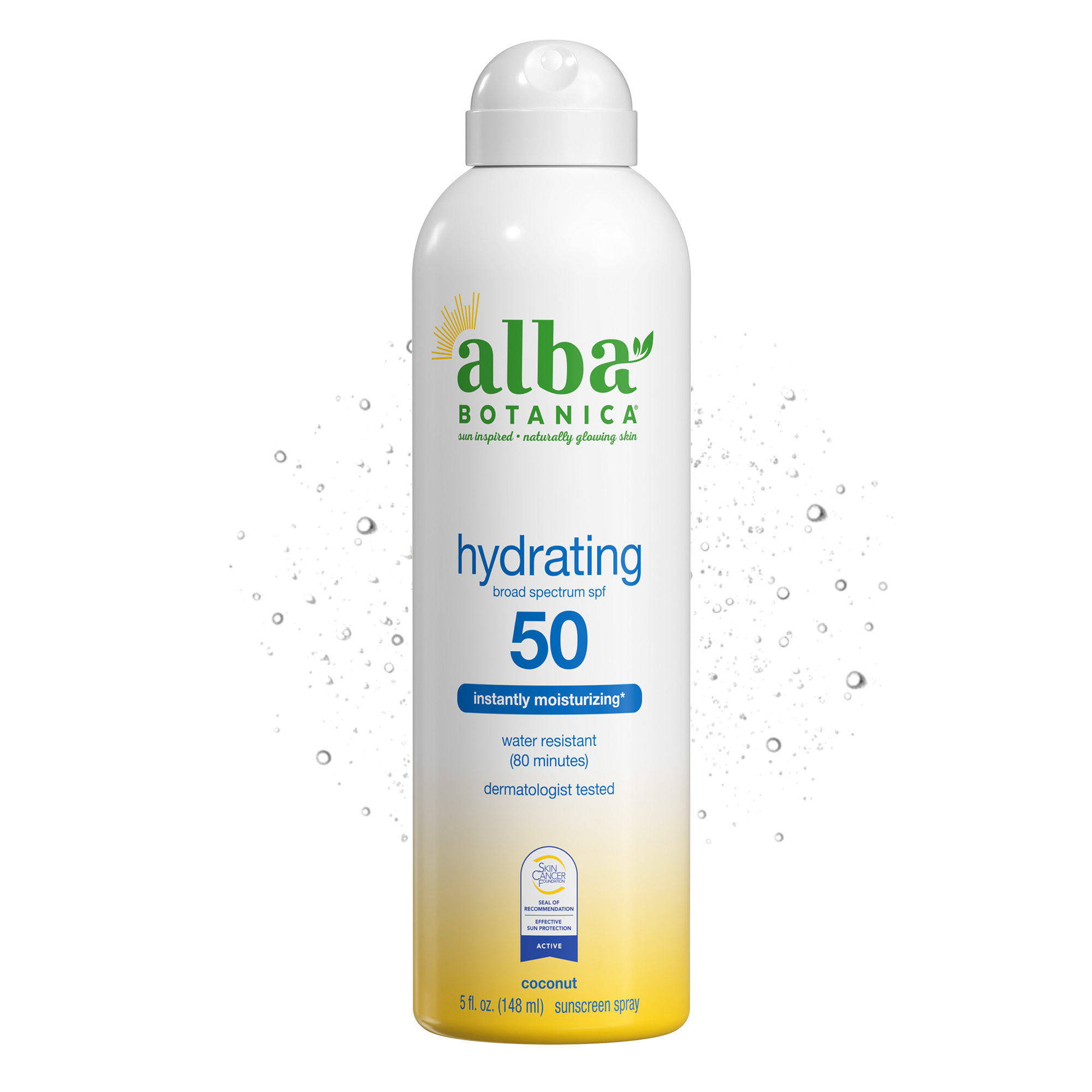
Hydrating Sunscreen Spray SPF 50
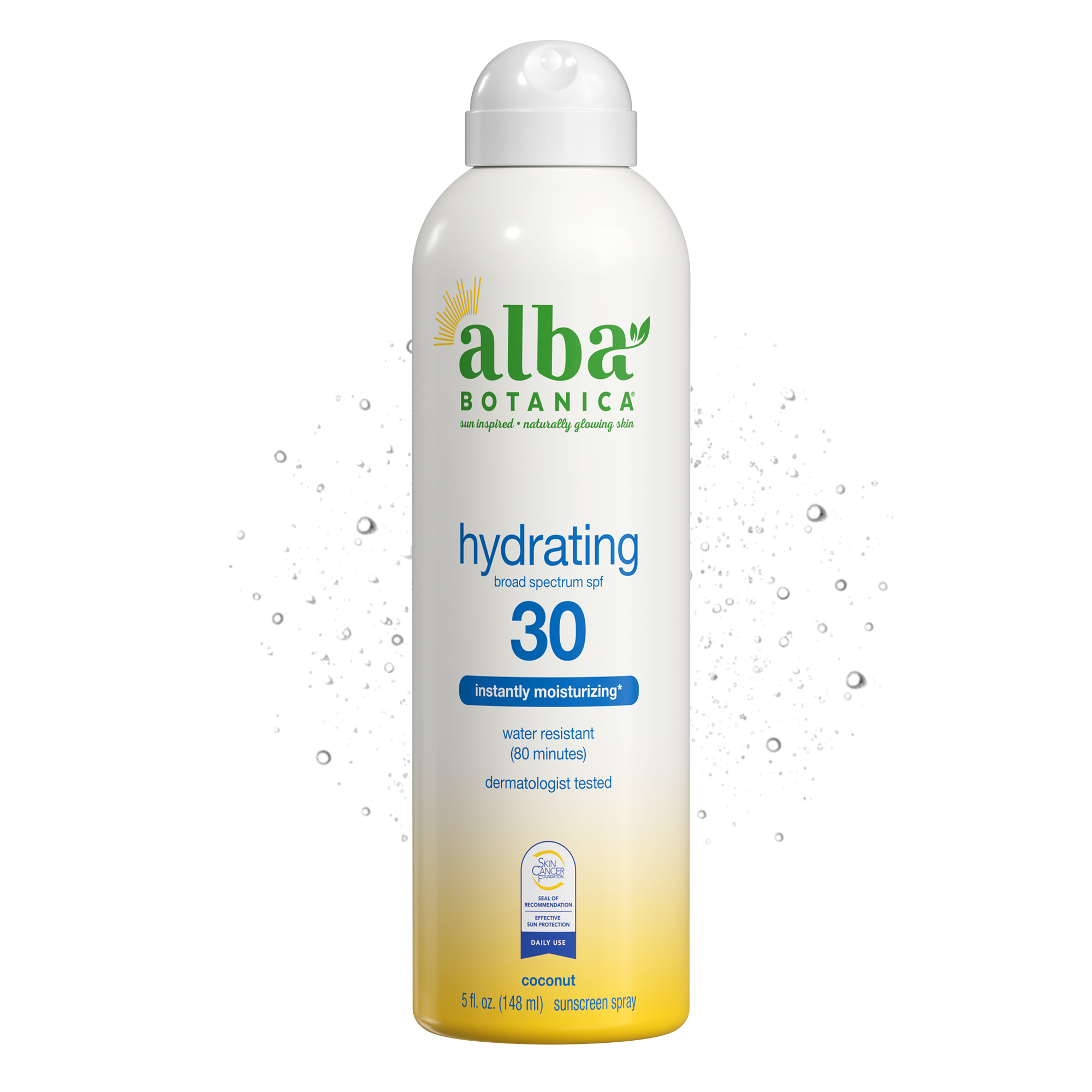
Hydrating Sunscreen Spray SPF 30
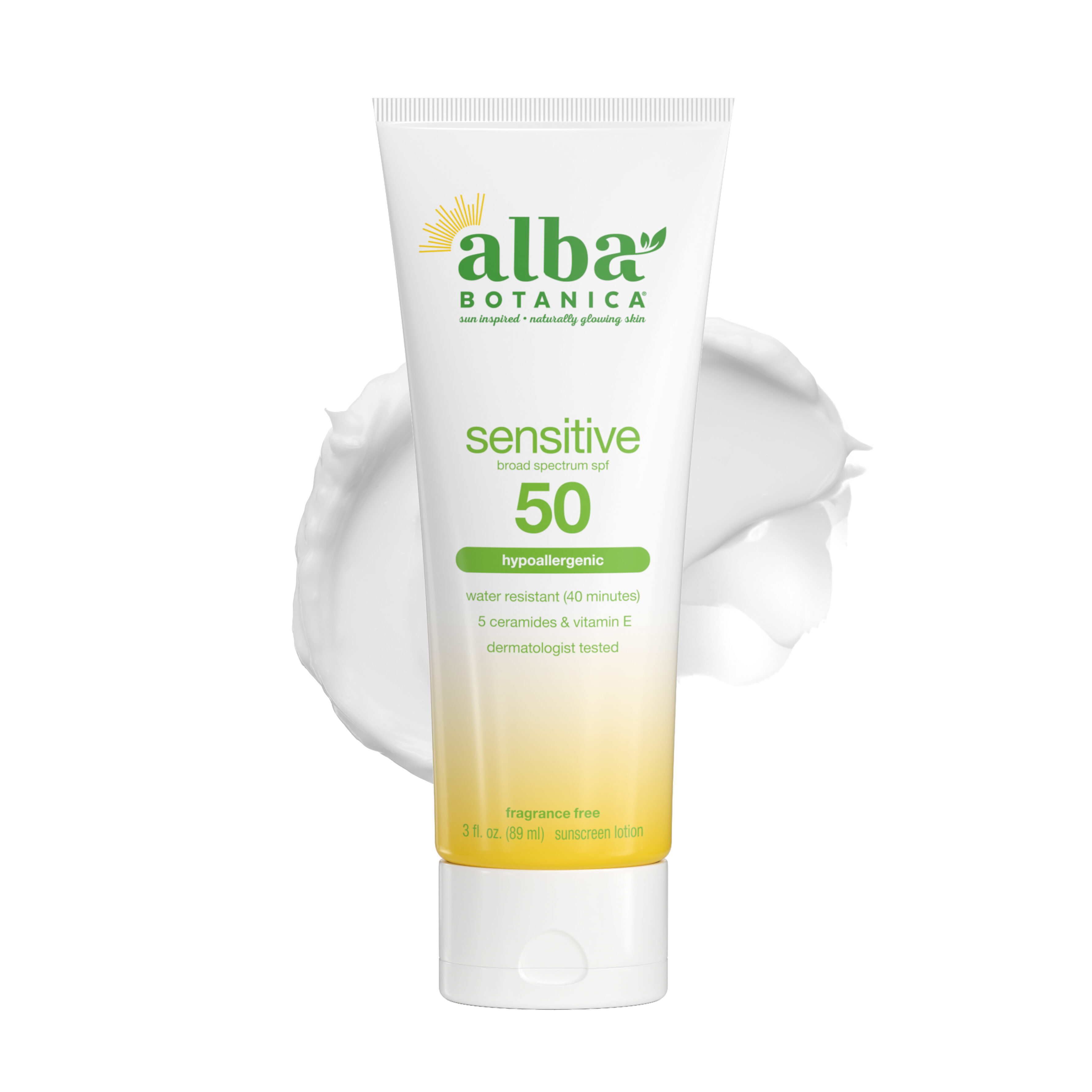
Sensitive Sunscreen Lotion SPF 50
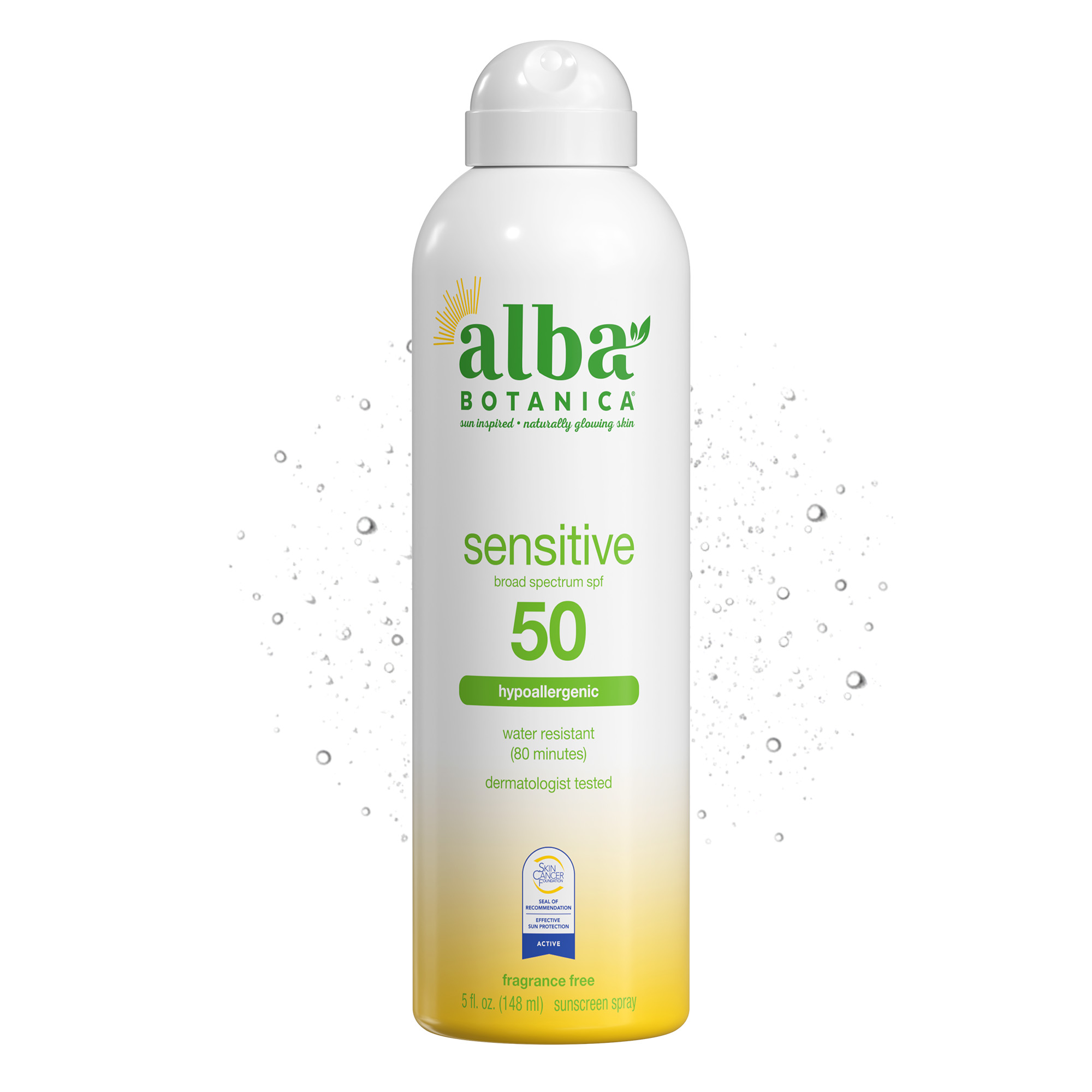
Sensitive Sunscreen Spray SPF 50
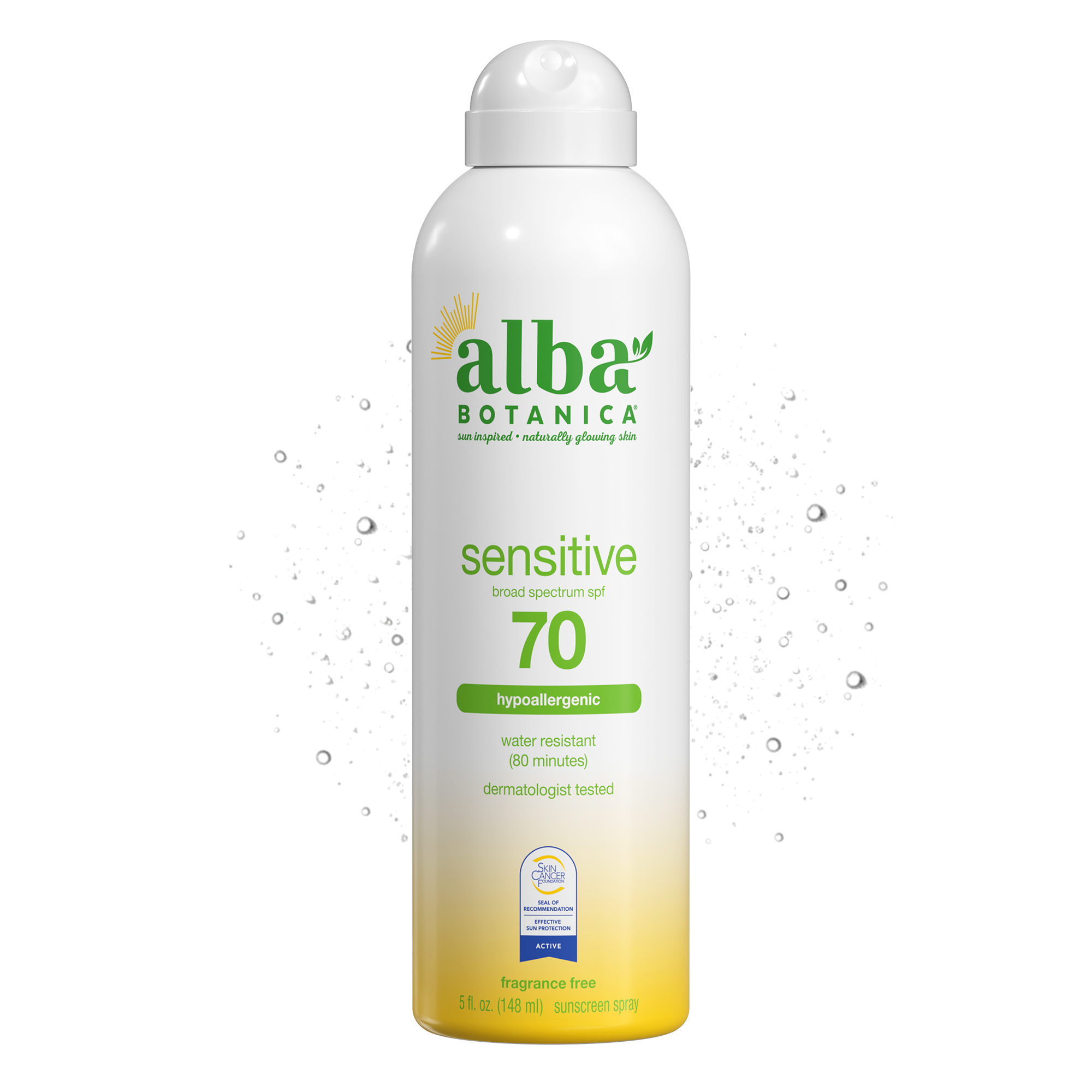
Sensitive Sunscreen Spray SPF 70
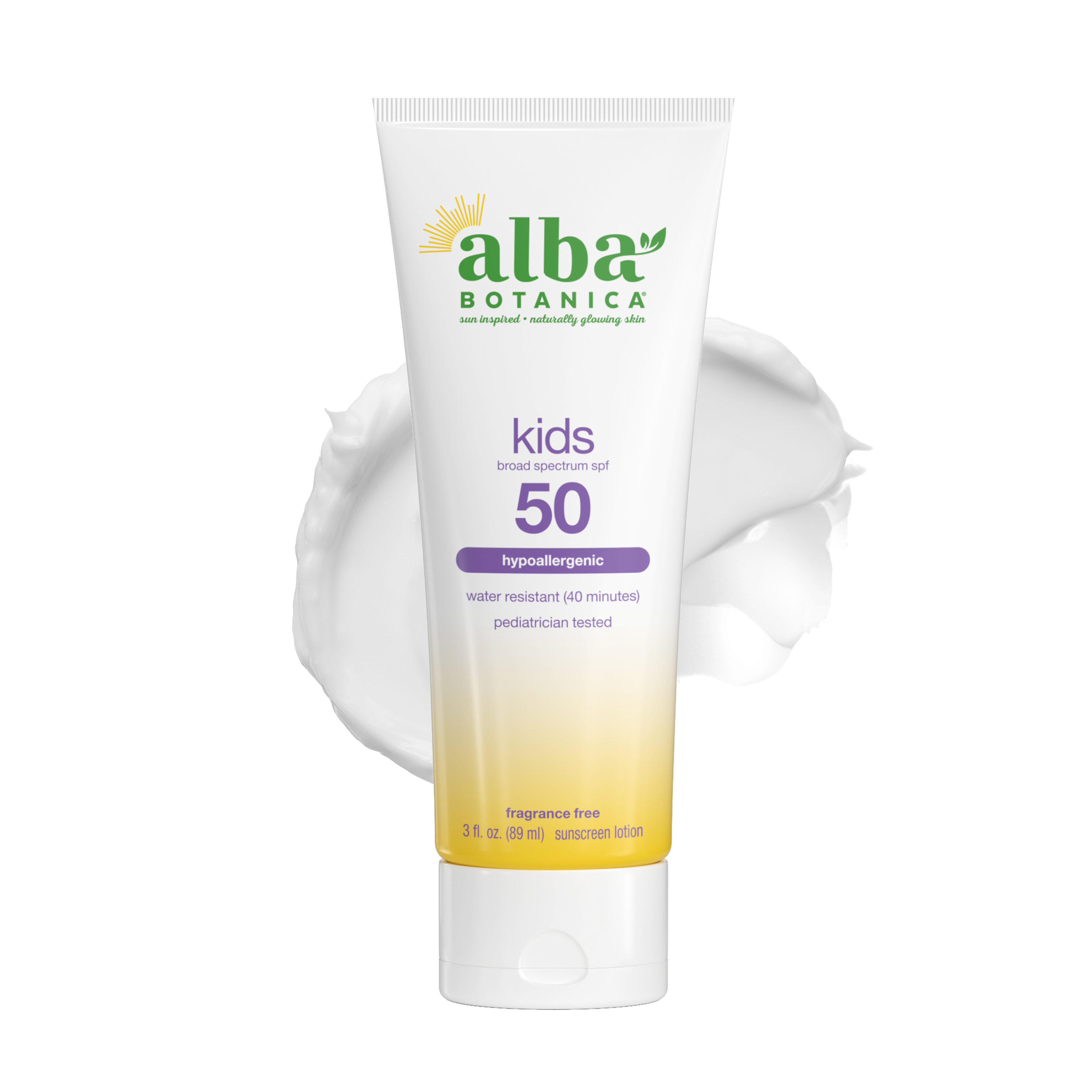
Kids Sunscreen Lotion SPF 50
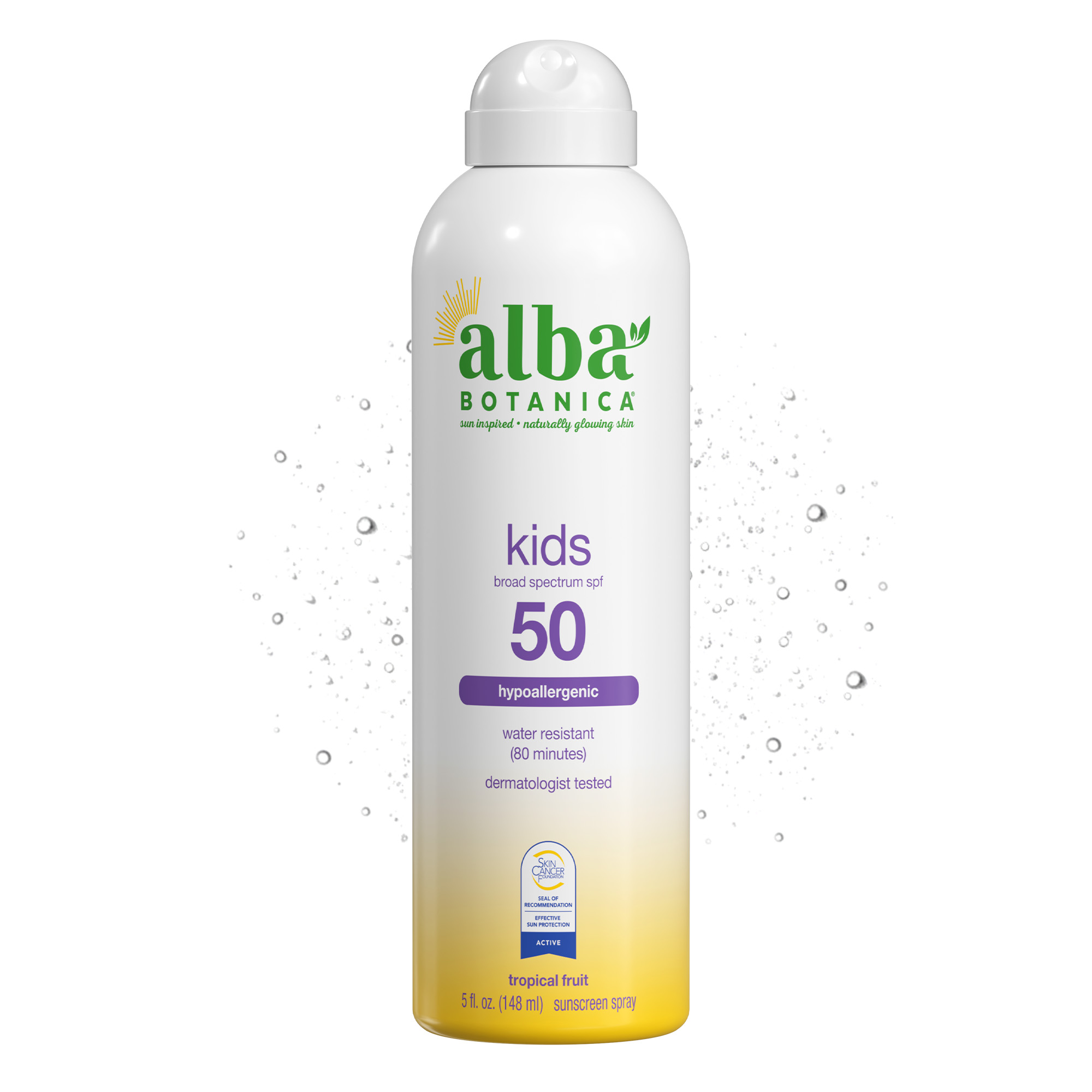
Kids Sunscreen Spray SPF 50
See all 497 products that list homosalate →
Related ingredients: Octisalate, Octocrylene, Oxybenzone, Avobenzone
Last reviewed October 14, 2026.