Octocrylene
Widely used to stabilize avobenzone. Hawaii's legislature has tried to add it to the statewide ban (SB 132 in 2021, SB 748 in 2024), but both bills died.
Banned in
- U.S. Virgin Islands
- Palau
- Guam
Also excluded where only mineral sunscreen is allowed
- Maui County
- Hawaiʻi County
Is Octocrylene safe for your skin?
The US FDA lists it among 12 filters that need more data, which it says is not a finding that they are unsafe. The separate finding is benzophenone, a hazardous impurity that is present in octocrylene sunscreens and rose with time and temperature in lab testing; EU rules require it to be kept at trace level.
- FDA: octocrylene is one of 12 US sunscreen filters the 2021 proposed order classes as lacking enough data to be called safe and effective. FDA says this is not a conclusion that they are unsafe.
- Absorption: in a randomized trial (Matta et al., JAMA 2020), octocrylene peaked at 7.8 ng/mL after lotion and 6.6 ng/mL after aerosol spray, above the 0.5 ng/mL level at which FDA guidance asks for more toxicology studies, and the level was passed after a single application on day 1. The authors said the results do not mean people should stop using sunscreen.
- EU: the SCCS (opinion adopted March 2021) found octocrylene safe at up to 10% in cosmetics used individually, but not at 10% or above in propellant sprays when combined with other products, so the EU cut the spray limit to 9% (Regulation 2022/1176). The SCCS saw some signs of endocrine effects in some in vivo studies but said the evidence was not strong enough to set a limit based on them.
- Benzophenone: Downs et al. (2021) found benzophenone in sixteen octocrylene sunscreens at 6 to 186 mg/kg when new and 9.8 to 435 mg/kg after six weeks of simulated aging, and also in the pure octocrylene ingredient. Foubert et al. (2021) found it in all 28 octocrylene products tested, rising with time and temperature. The SCCS calls benzophenone a hazardous impurity and degradation product to be kept at trace levels. Both studies measured benzophenone levels in the products.
- Skin reactions: the SCCS says reported contact allergy cases are negligible given how widely octocrylene is used, and that photoallergy is strongly linked to earlier photoallergy to topical ketoprofen.
Sources (7)
- FDA: Questions and answers on FDA's regulatory actions on OTC sunscreen
- Matta et al. 2020, JAMA: sunscreen application and plasma concentration of active ingredients (PubMed)
- Matta et al. 2019, JAMA: sunscreen under maximal use conditions (PubMed)
- SCCS opinion on octocrylene (SCCS/1627/21), European Commission
- Commission Regulation (EU) 2022/1176 (EUR-Lex)
- Downs et al. 2021, Chem Res Toxicol: benzophenone accumulates from octocrylene degradation (PubMed)
- Foubert et al. 2021, Contact Dermatitis: benzophenone in octocrylene sunscreens and cosmetics (PubMed)
Last reviewed October 14, 2026. This summarises what regulators and published studies found. It isn't medical advice.
Where it’s restricted
Named in the law or guidance
| Location | Status | Since |
|---|---|---|
| U.S. Virgin Islands law text ↗ | In force | March 30, 2020 |
| Palau law text ↗ | In force | January 1, 2020 |
| Guam law text ↗ | In force | October 9, 2025 |
Also not allowed under mineral-only rules
Octocrylene isn’t named in these laws, but they allow only mineral (zinc oxide or titanium dioxide) sunscreens, so a product containing it is excluded anyway.
- Maui County (Maui, Molokaʻi, Lānaʻi) (in force since October 1, 2022)
- Hawaiʻi County (Big Island) (in force since December 1, 2022)
Why it’s regulated
The US Virgin Islands (Act 8185, signed July 2019) bans selling or distributing sunscreens containing it from March 30, 2020, and Guam's Public Law 38-5 (signed April 12, 2025) bans importing products that contain it, with the ban taking effect 180 days after enactment. These laws cite harm to coral and other marine life.
What the reef research says
In the main coral study, Stien et al. (2019) exposed adult Pocillopora damicornis to octocrylene at 5, 50, 300 and 1,000 µg/L, and most polyps were closed at 300 µg/L and above. The coral turned octocrylene into fatty-acid conjugates that built up in its tissue and showed higher levels of 15 acylcarnitines, which the authors link to abnormal fatty-acid metabolism and mitochondrial dysfunction; a 2022 follow-up found the same pattern in a second species, Stylophora pistillata. A 2025 lab study on Symbiodinium, the alga that lives inside corals, found octocrylene less toxic than octinoxate, with cell viability and metabolic activity affected at the higher concentrations. For scale, the lowest concentration in the coral study was 5 µg/L, while a 2025 review reports a geometric mean of 37 ng/L (0.037 µg/L) in marine surface water at recreational sites, and notes that sampling methods differed widely between studies. Stien et al. caution that field measurements may be large underestimates, because octocrylene is converted into other forms in the organism. The National Academies (2022) found enough data to build acute risk curves only for oxybenzone, octinoxate, titanium dioxide and zinc oxide; octocrylene was not on that list.
Sources (10)
- Stien et al. 2019, Analytical Chemistry: octocrylene accumulates in Pocillopora damicornis (PubMed; replaces the earlier DOI link, which did not resolve)
- Thorel et al. 2022, Chem Res Toxicol: octocrylene in Stylophora pistillata (PubMed)
- Almeida et al. 2025, Ecotoxicol Environ Saf: octinoxate and octocrylene on Symbiodinium sp. (PubMed)
- Gouin 2025, Integr Environ Assess Manag: environmental occurrence of octocrylene, critical review (PubMed)
- National Academies 2022: Review of Fate, Exposure, and Effects of Sunscreens in Aquatic Environments (Summary)
- Act No. 8185 (US Virgin Islands), signed copy
- Public Law 38-5 (Guam Legislature)
- Commission Regulation (EU) 2022/1176 (oxybenzone and octocrylene in Annex VI), Official Journal
- FDA: Questions and answers on FDA's regulatory actions on over-the-counter sunscreen (content current as of 10 Sept 2026)
- 21 CFR 352.10, Sunscreen active ingredients (eCFR; ensulizole, meradimate, octinoxate and octisalate appear under their revised names in the stayed 2002 amendment)
Products that contain it (555)
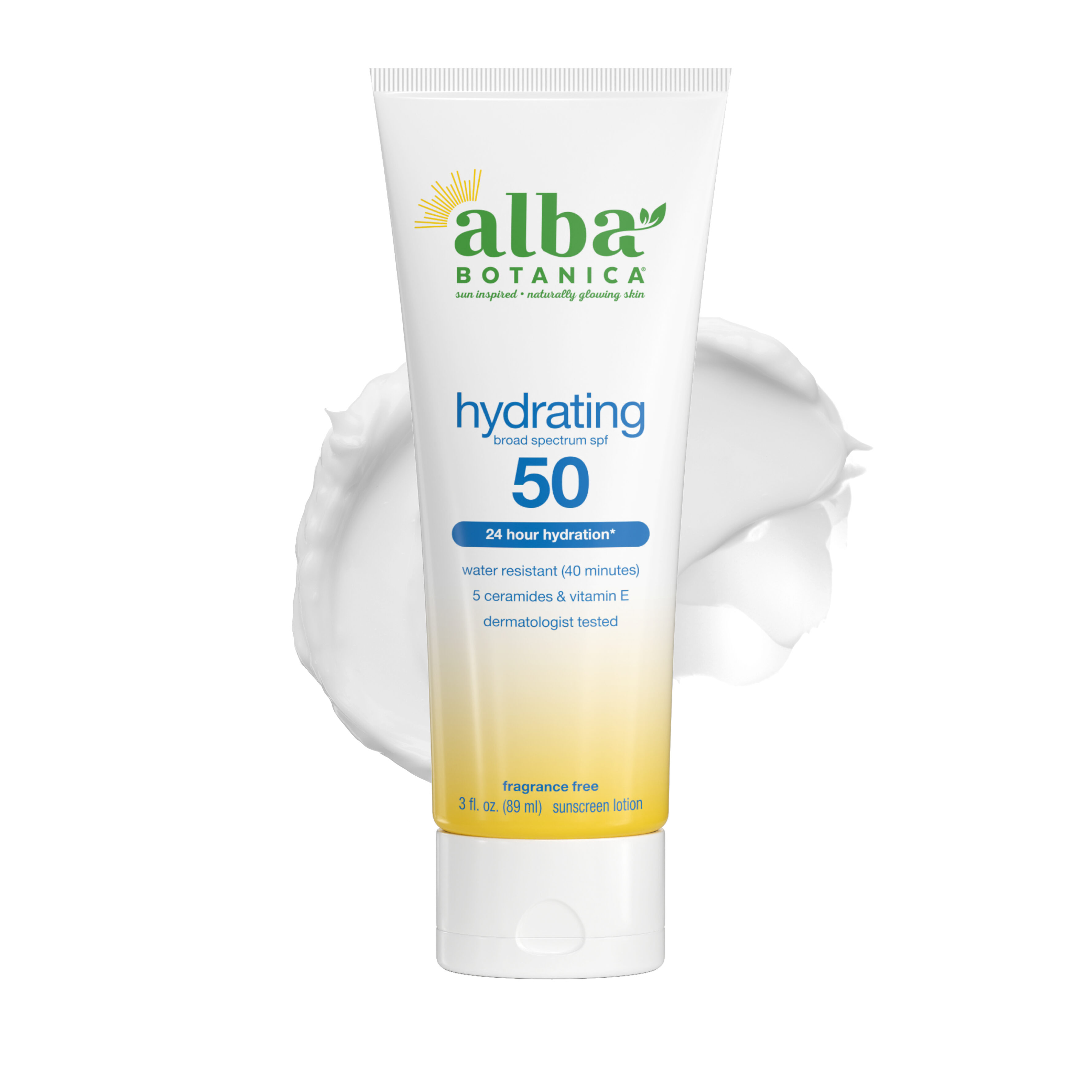
Hydrating Sunscreen Lotion SPF 50
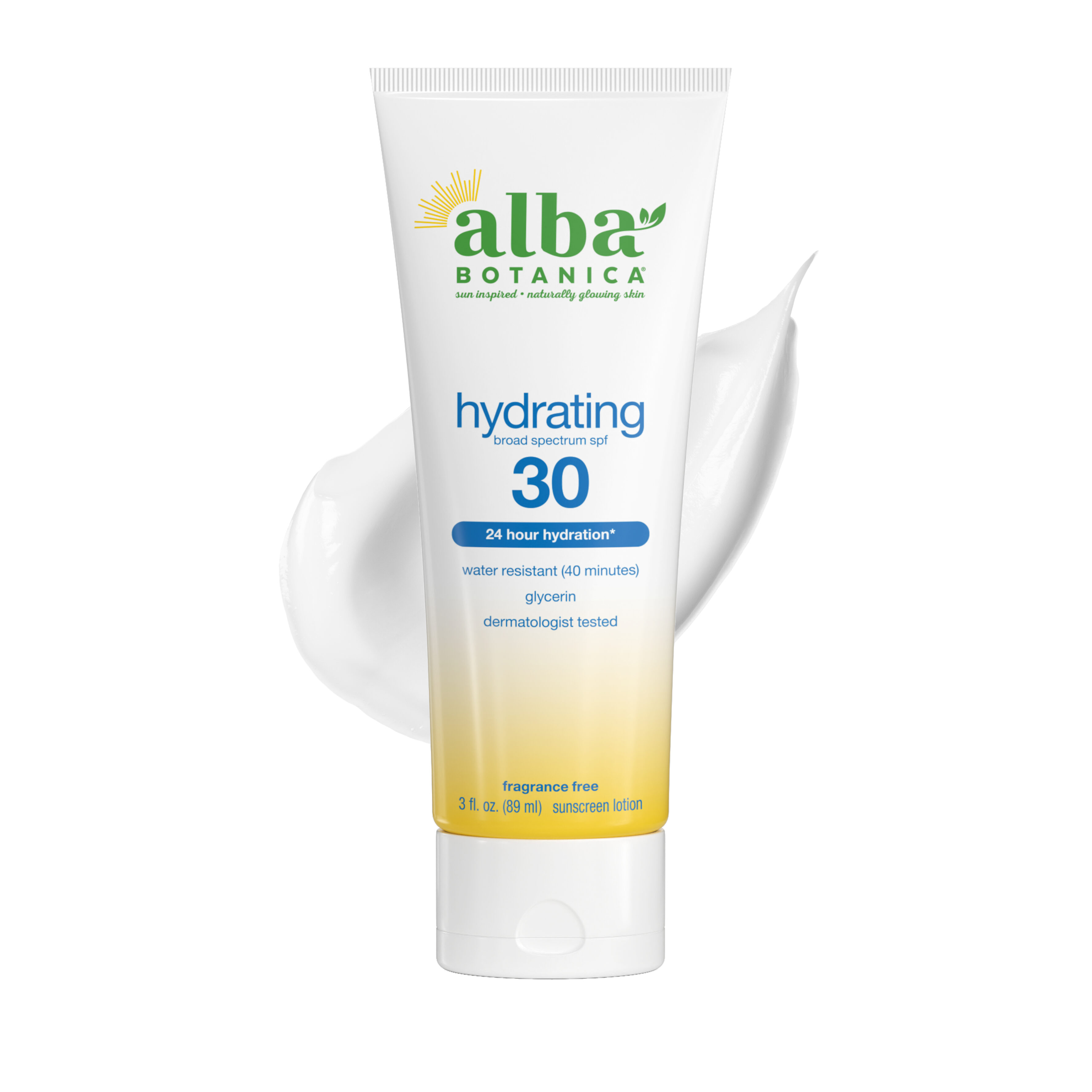
Hydrating Sunscreen Lotion SPF 30
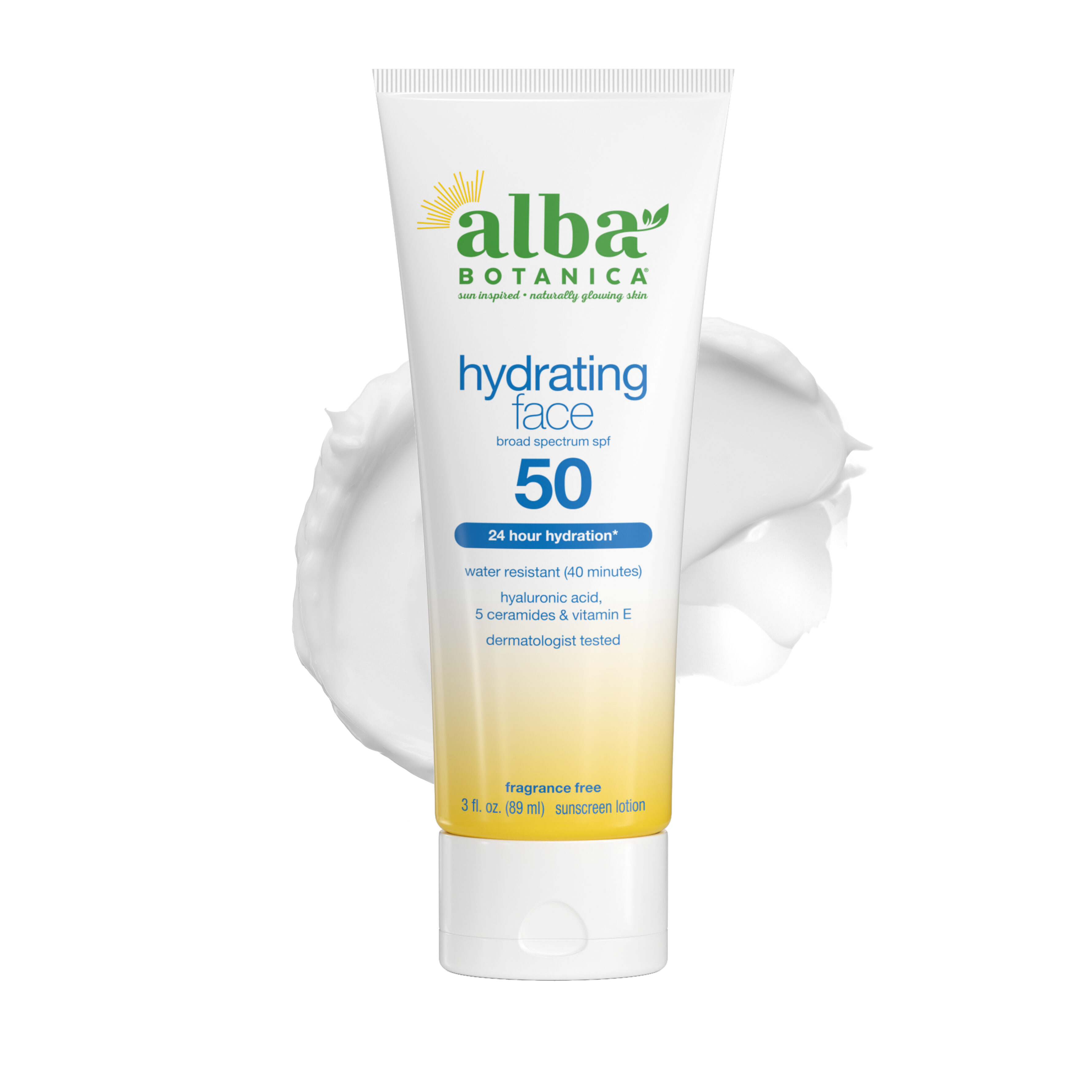
Hydrating Sunscreen Face Lotion SPF 50
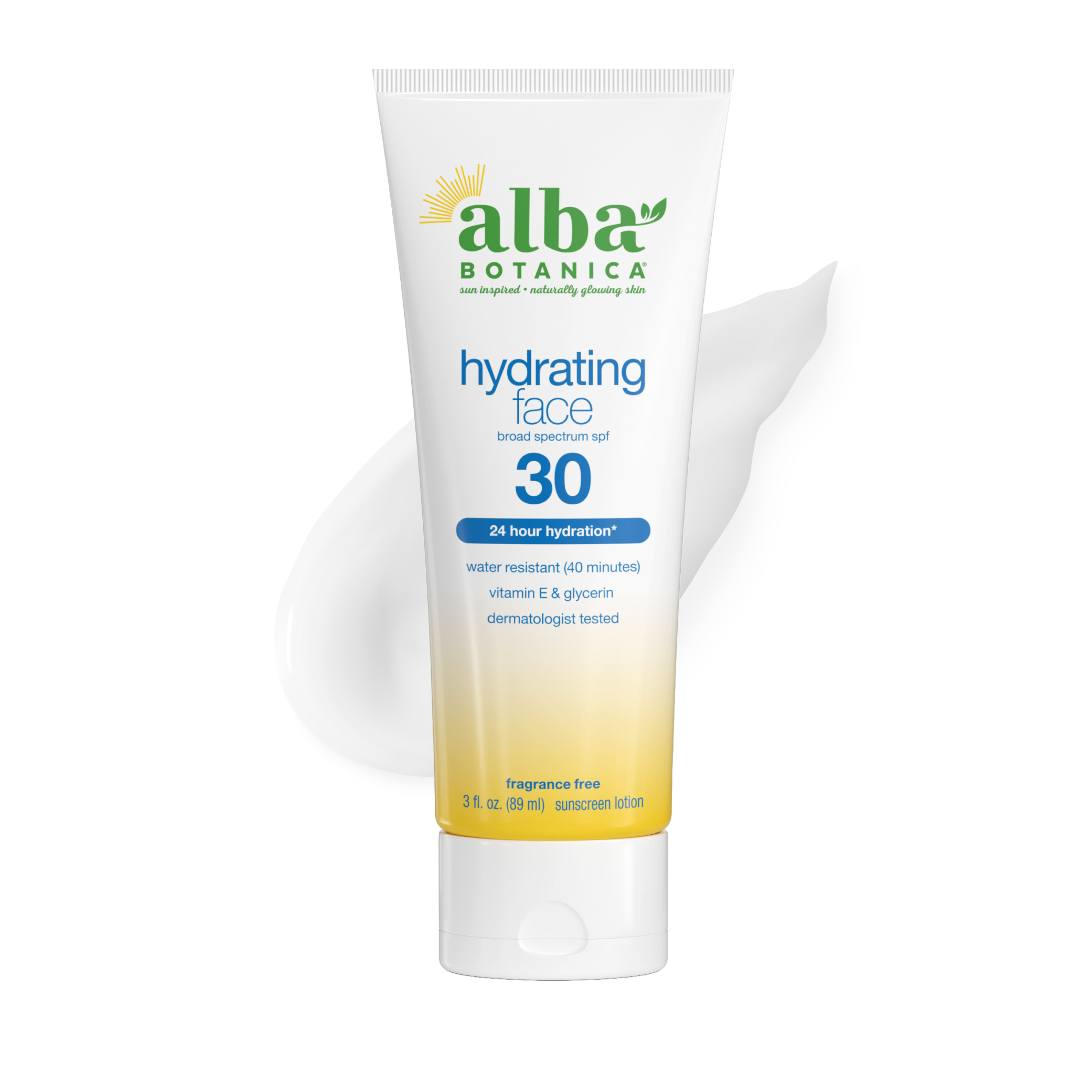
Hydrating Sunscreen Face Lotion SPF 30
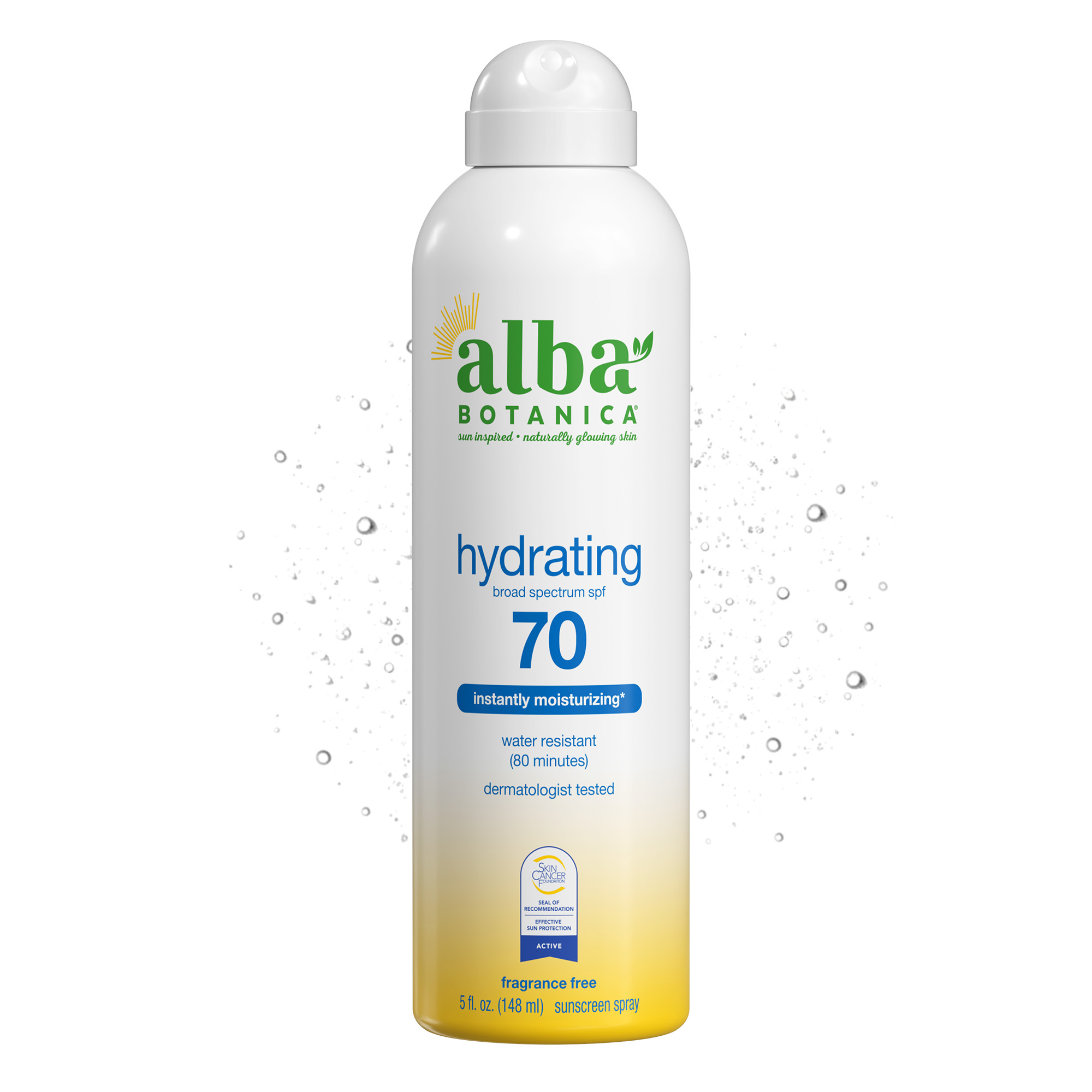
Hydrating Sunscreen Spray SPF 70
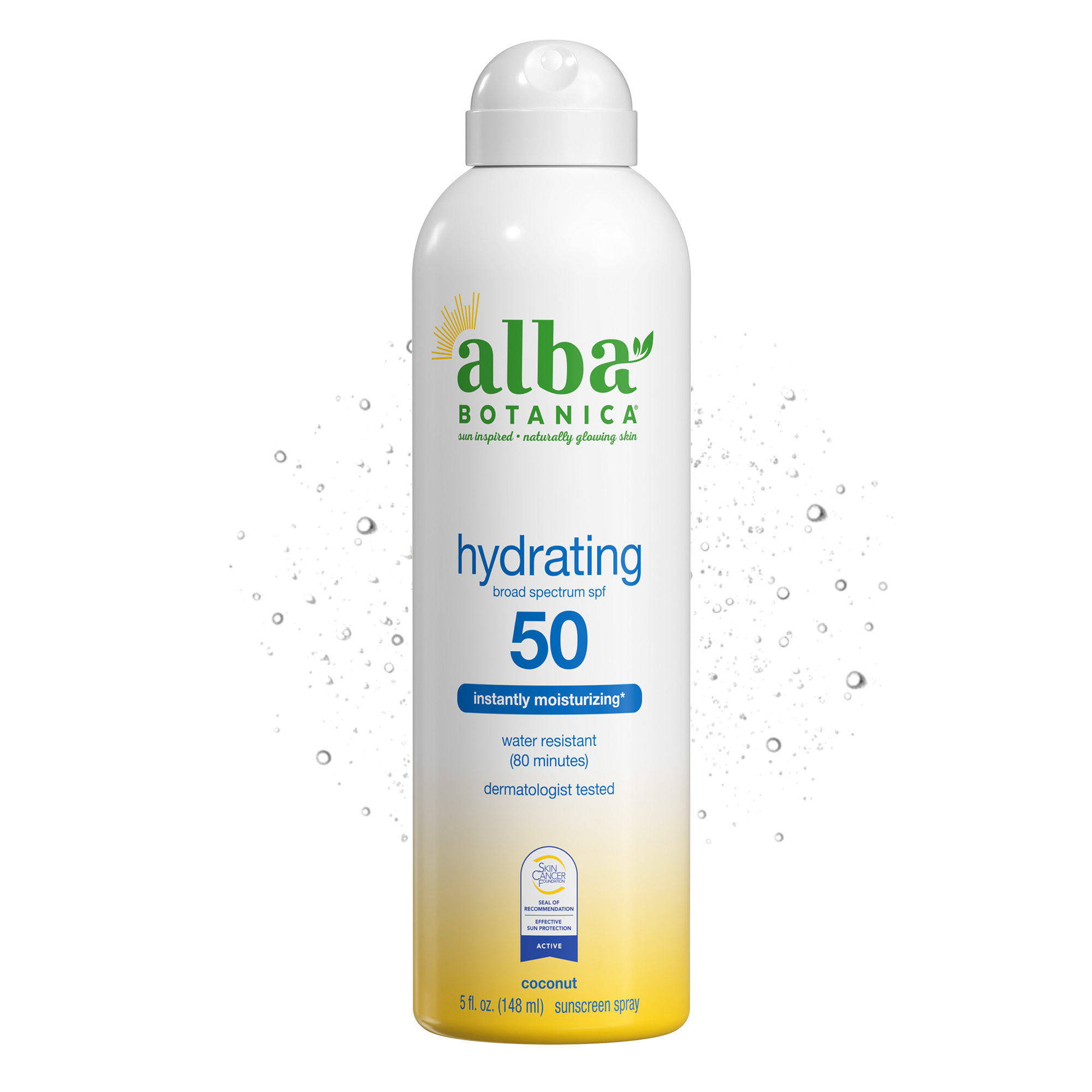
Hydrating Sunscreen Spray SPF 50
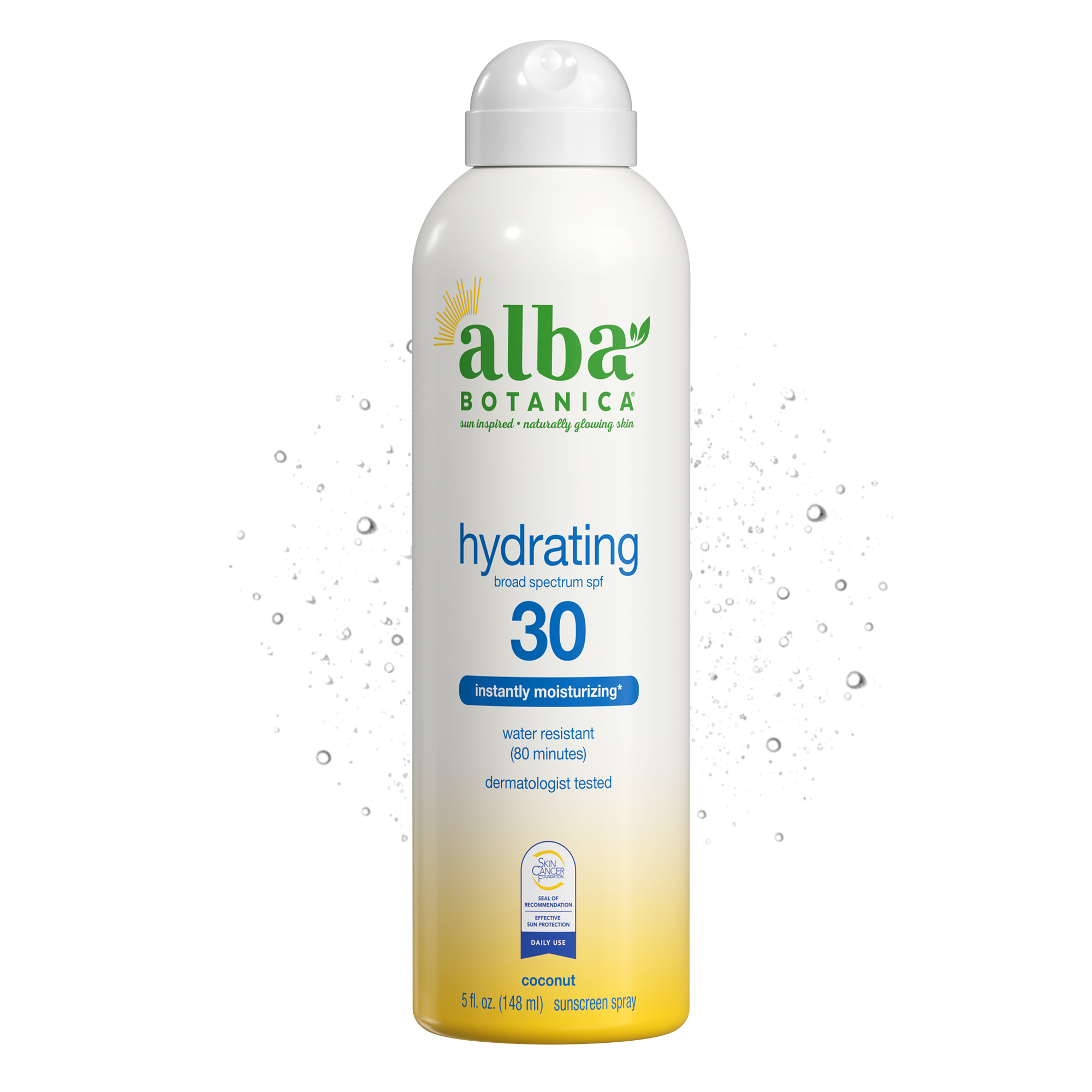
Hydrating Sunscreen Spray SPF 30
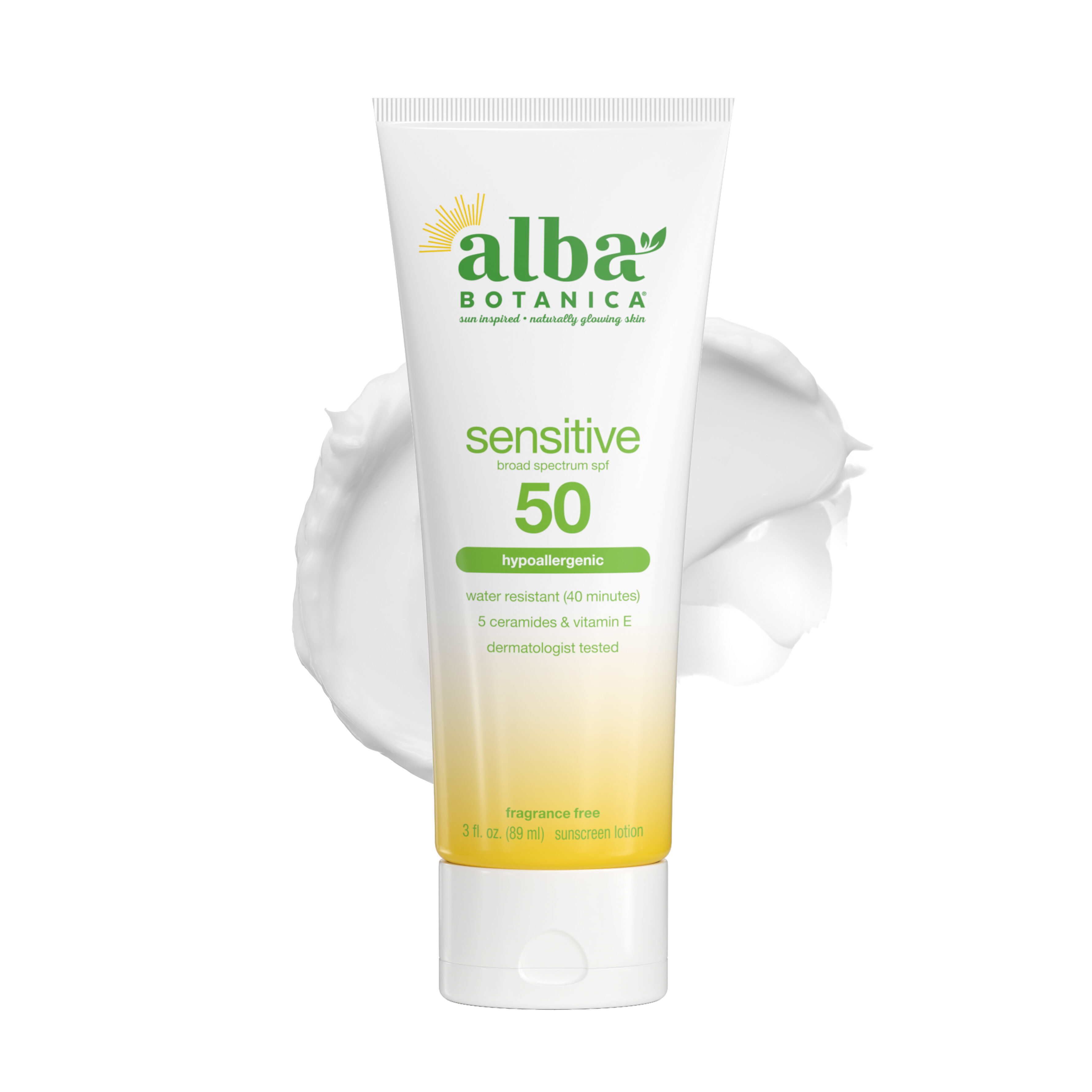
Sensitive Sunscreen Lotion SPF 50
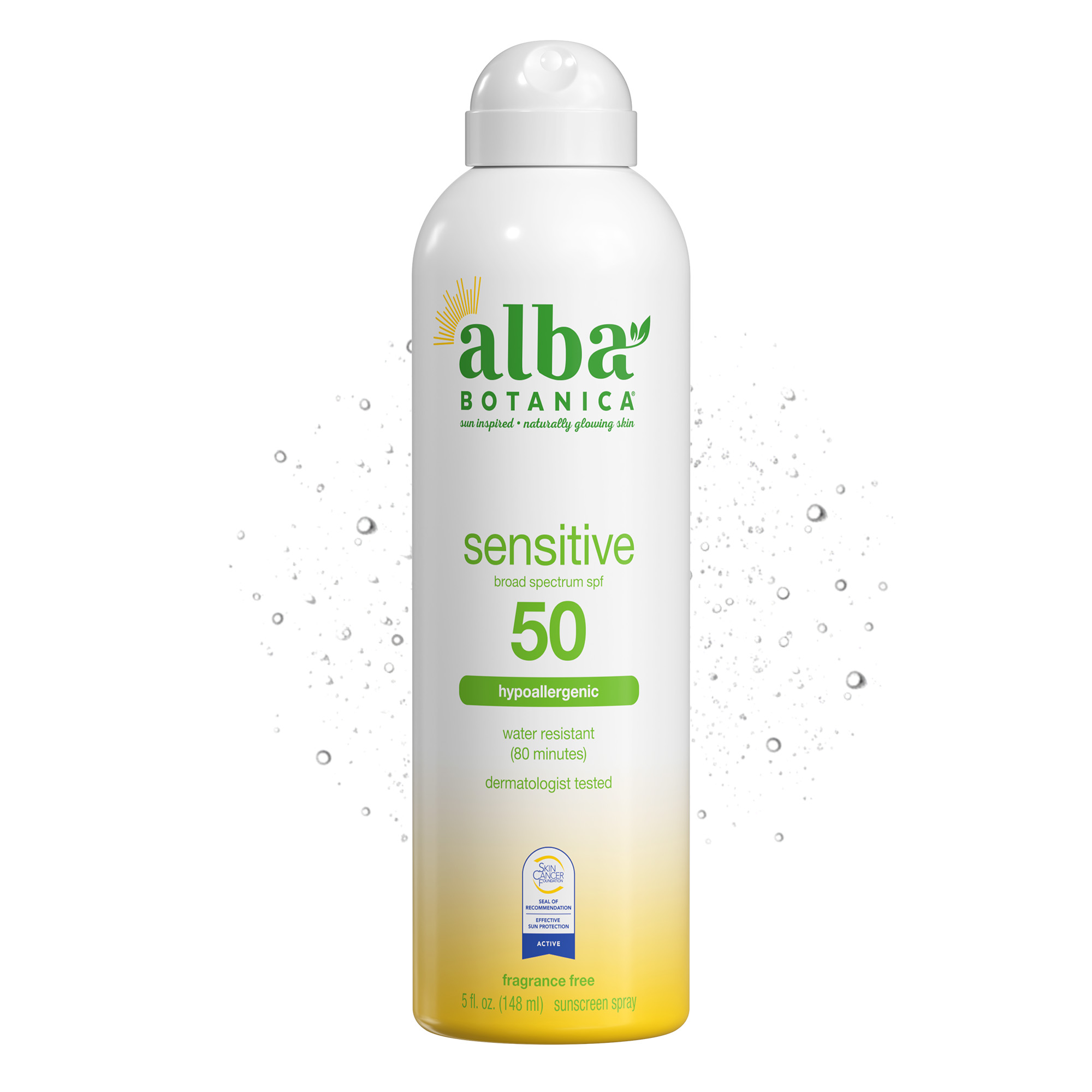
Sensitive Sunscreen Spray SPF 50
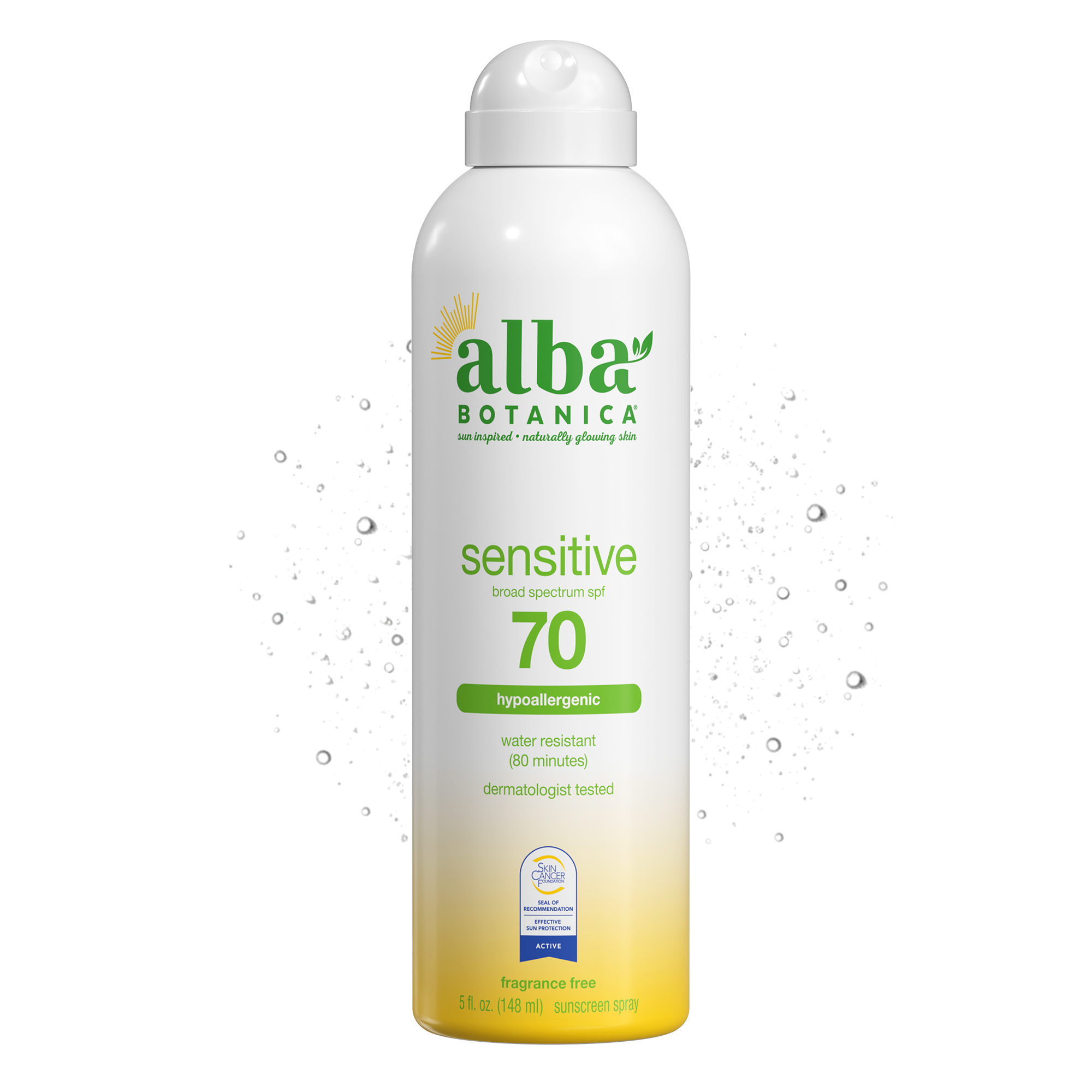
Sensitive Sunscreen Spray SPF 70
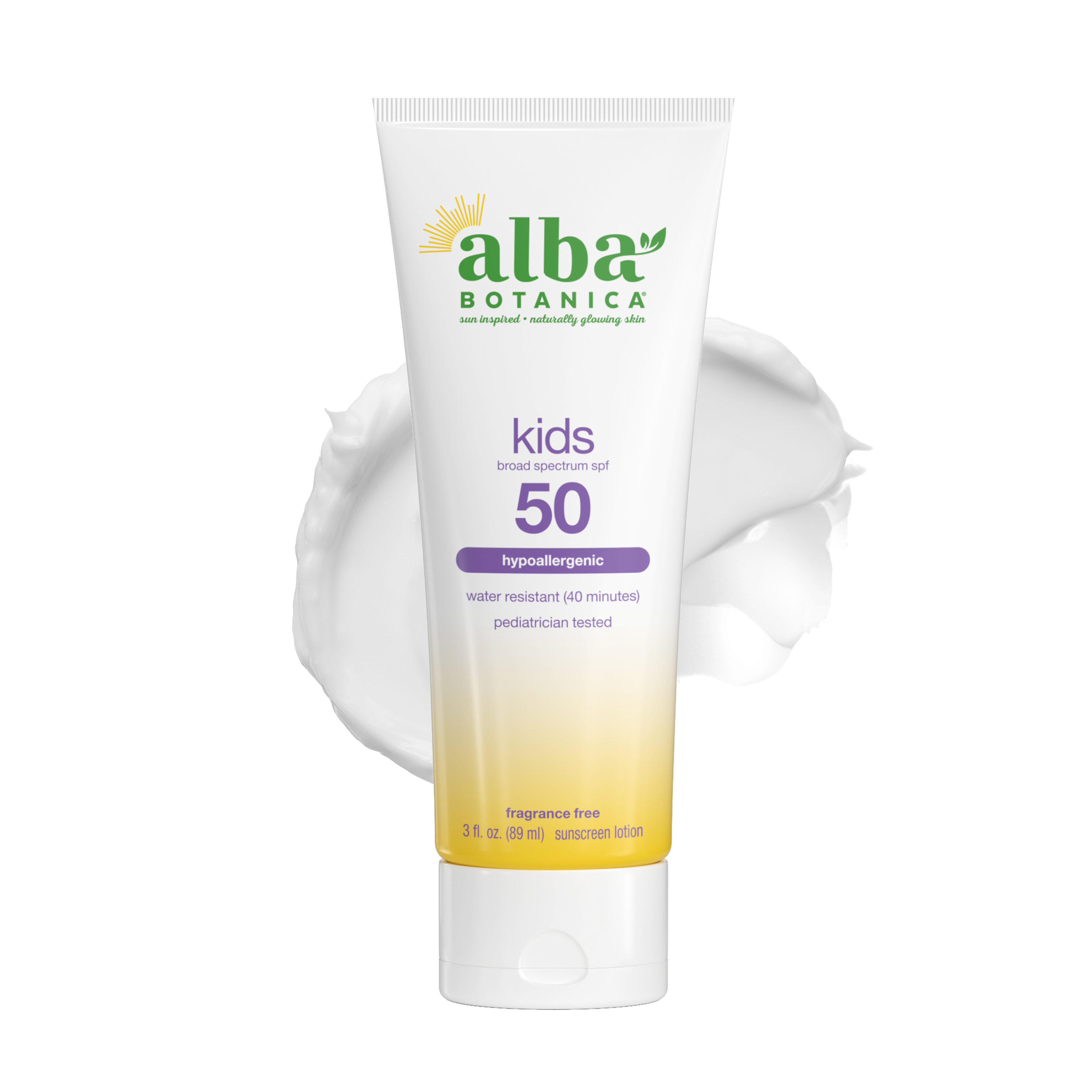
Kids Sunscreen Lotion SPF 50
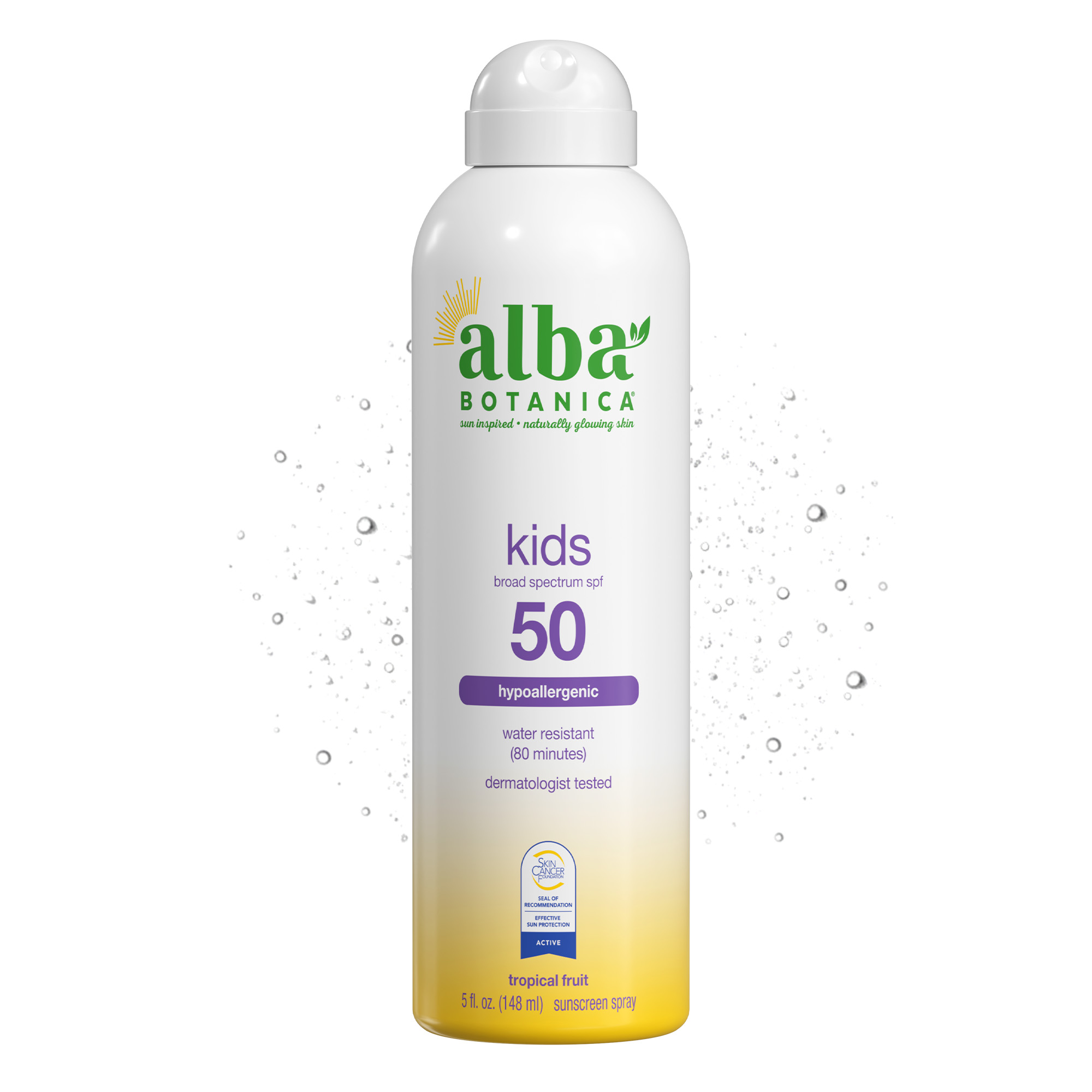
Kids Sunscreen Spray SPF 50
See all 555 products that list octocrylene →
Related ingredients: Avobenzone, Oxybenzone, Octinoxate
Last reviewed October 14, 2026.