Microplastics (plastic microbeads)
Solid plastic particles used for texture. Named in some reef rules and flagged by marine-protection guidance. Our checker flags the common plastic polymers by name; many other synthetic polymers are not microplastics.
No law we track restricts Microplastics (plastic microbeads).
Where it’s restricted
No location we track restricts Microplastics (plastic microbeads).
Why it’s regulated
The EU restricts synthetic polymer microparticles in REACH Annex XVII as entry 78, set by Commission Regulation (EU) 2023/2055 of 25 September 2023. The restriction bans placing these microparticles on the market at 0.01% by weight or more where they are present to confer a sought-after characteristic. Rinse-off products are covered from 17 October 2027 and leave-on products from 17 October 2029, and the Commission estimated a cumulative emission reduction of approximately 500,000 tonnes of microplastics over 20 years.
What the reef research says
Hall et al. (2015) report for the first time that reef-building corals ingest microplastics, and they found microplastics in reef water near inshore reefs on the Great Barrier Reef. In feeding trials, corals consumed up to about 50 micrograms of plastic per square centimetre per hour, at rates similar to their intake of plankton and Artemia nauplii. The ingested particles stayed in the coral gut cavity wrapped in tissue, and the authors suggest high concentrations could impair coral health. Plankton tows near inshore reefs found microplastics at low concentrations at every sampling location, and the particles resembled those used in marine paints and fishing floats. Napper et al. (2015) studied polyethylene microbeads taken from several cosmetic exfoliants, estimated that 4,594 to 94,500 could be released in a single use, and called such exfoliants a potentially important, yet preventable, source of marine microplastic.
- Commission Regulation (EU) 2023/2055 amending Annex XVII to REACH (synthetic polymer microparticles, entry 78), EUR-Lex
- Hall, Berry, Rintoul, Hoogenboom (2015), Microplastic ingestion by scleractinian corals, Marine Biology 162(3):725-732, doi:10.1007/s00227-015-2619-7 (abstract read at JCU repository)
- Napper, Bakir, Rowland, Thompson (2015), Characterisation, quantity and sorptive properties of microplastics extracted from cosmetics, Marine Pollution Bulletin, doi:10.1016/j.marpolbul.2015.07.029 (PubMed record)
Products that contain it (56)
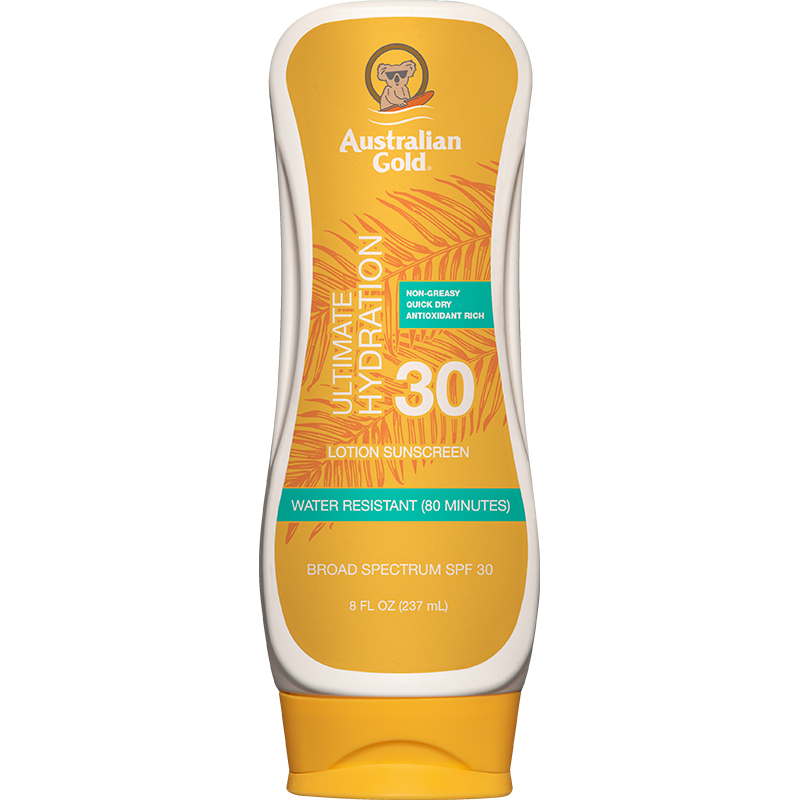
SPF 30 Lotion
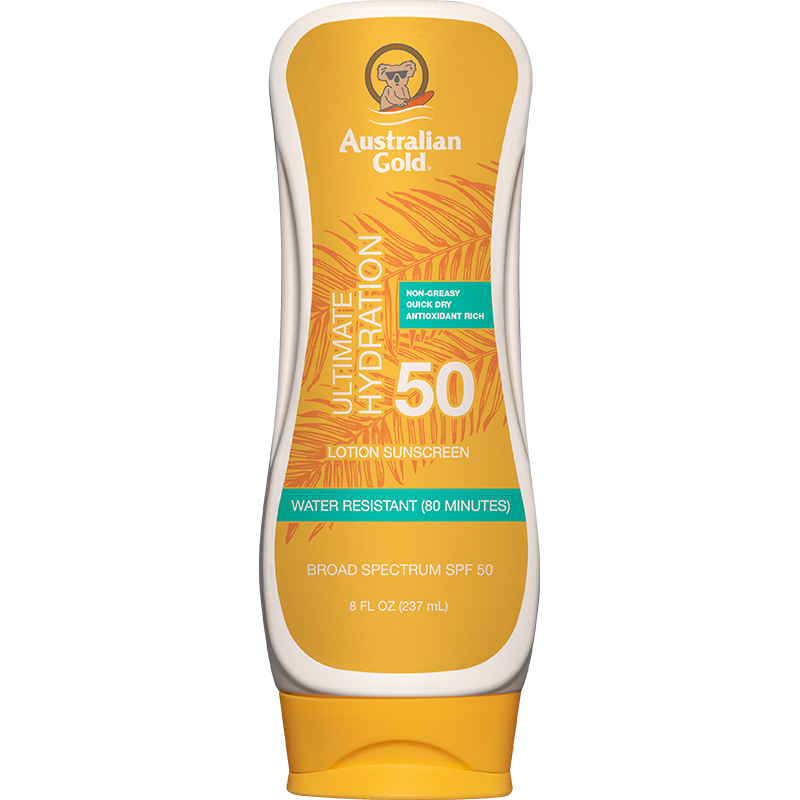
SPF 50 Lotion
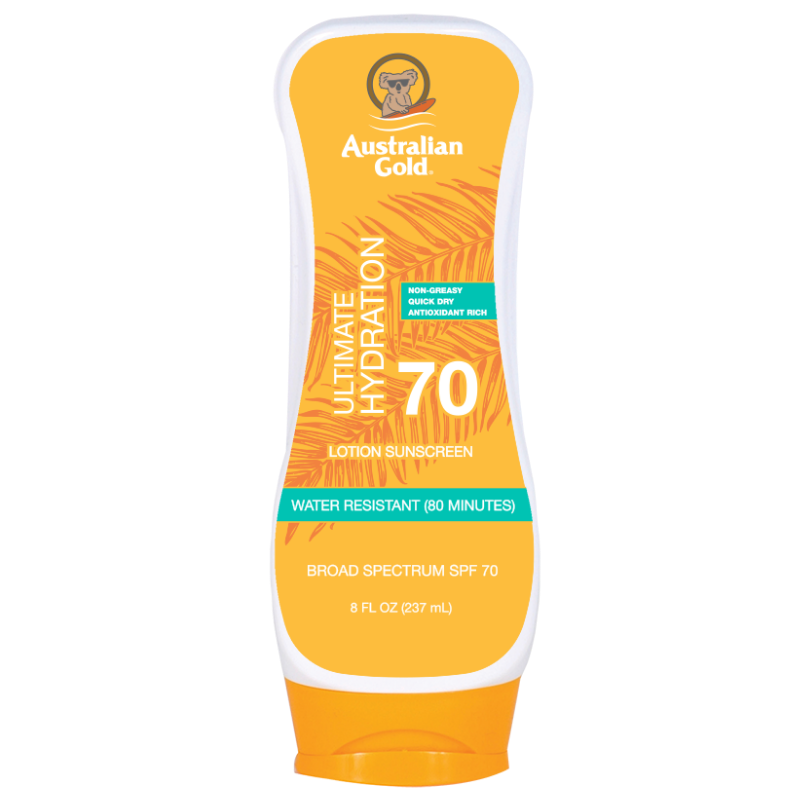
SPF 70 Lotion
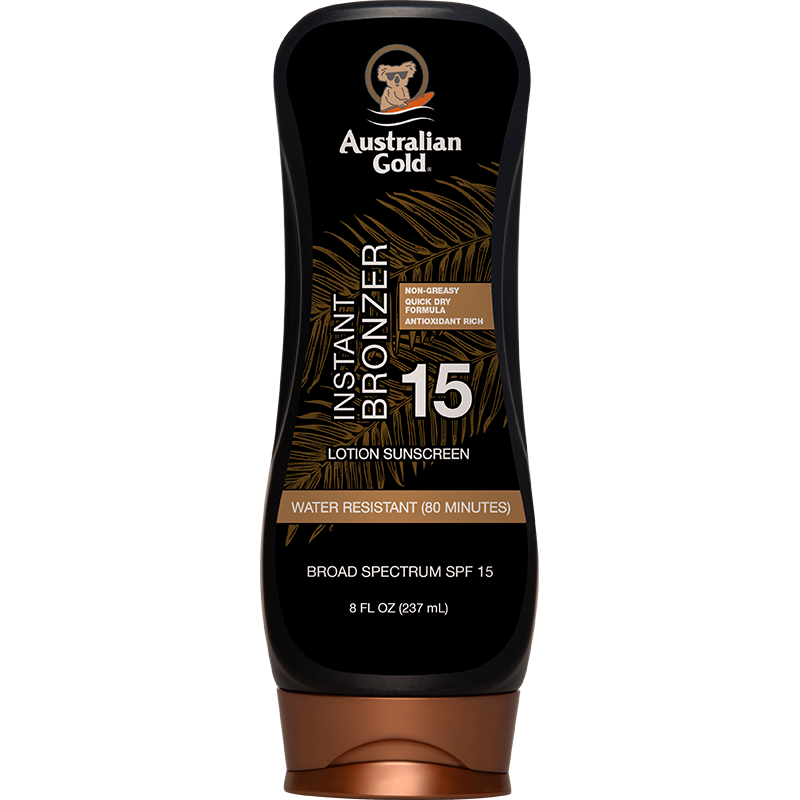
SPF 15 Lotion Bronzer
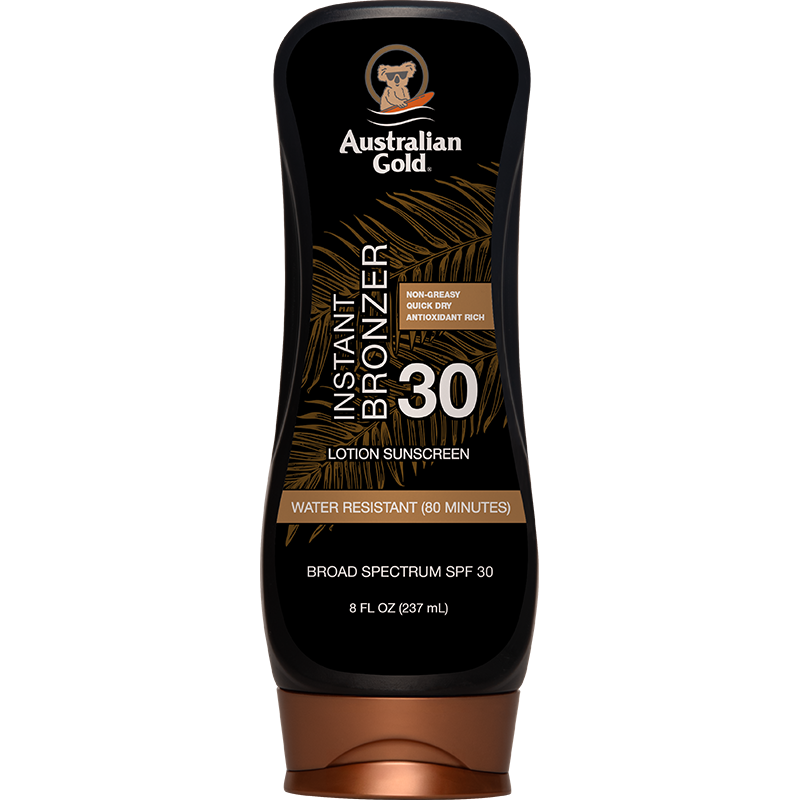
SPF 30 Lotion Bronzer
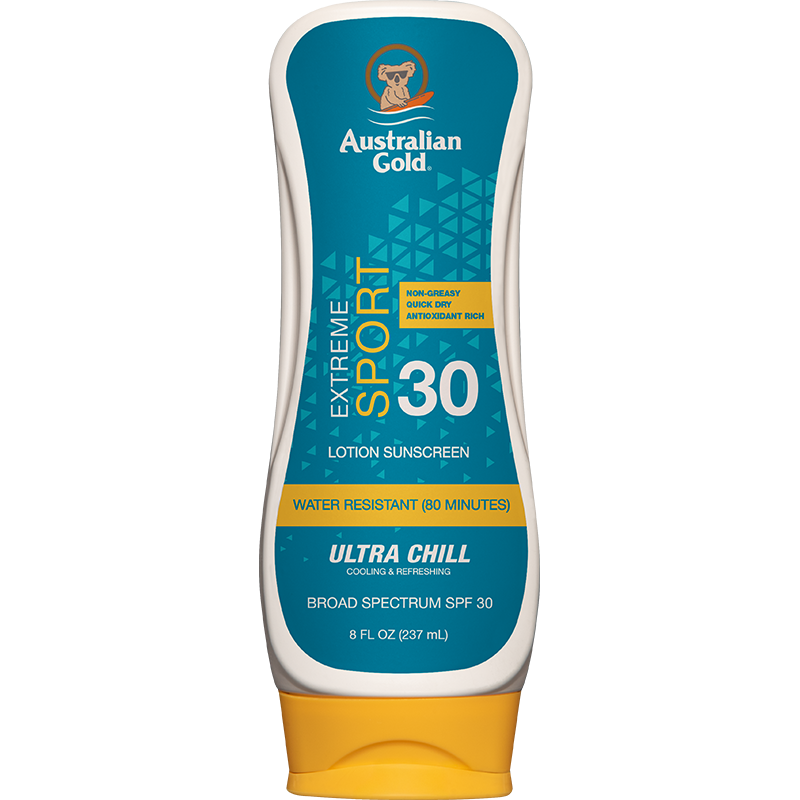
SPF 30 Sport Ultra Chill Lotion
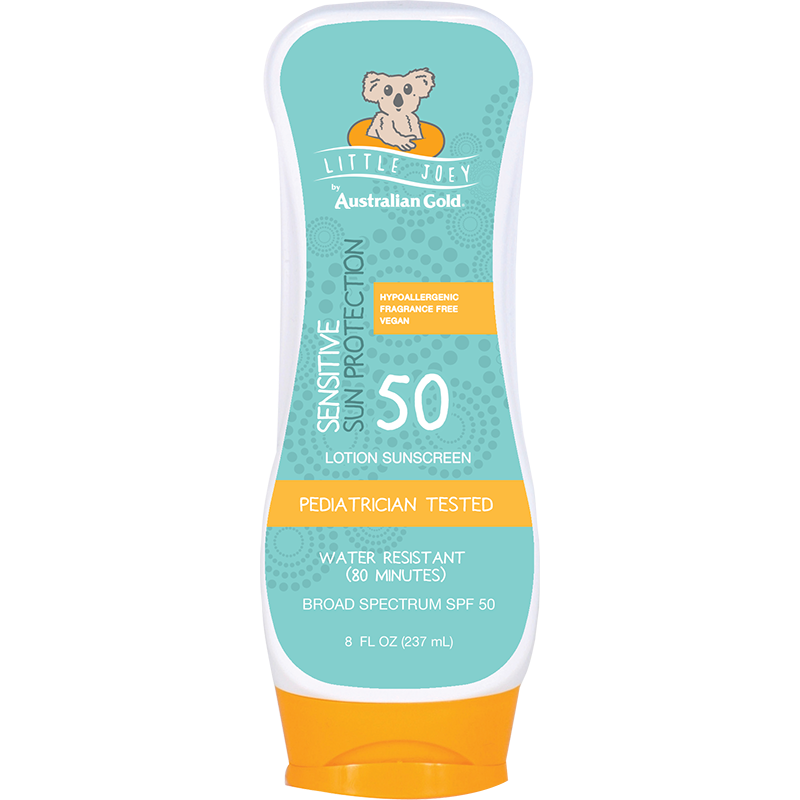
Little Joey SPF 50 Lotion
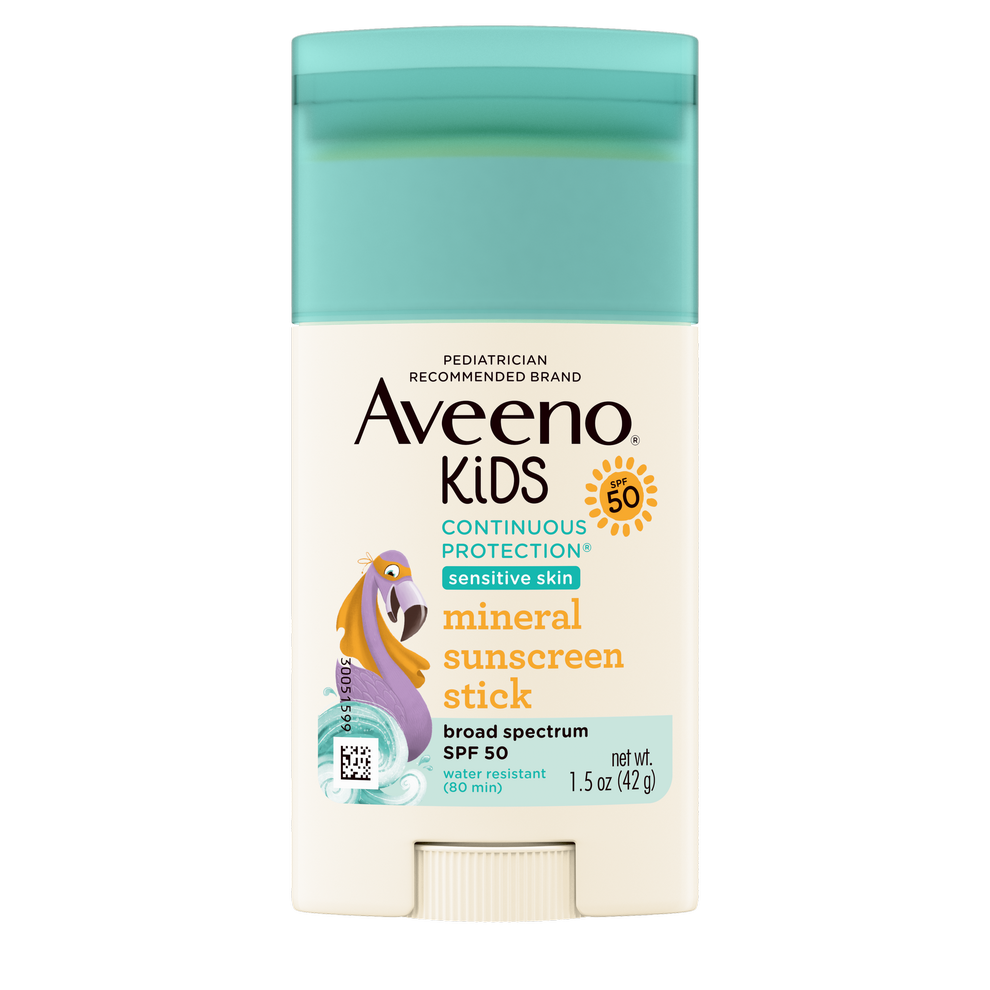
Kids Continuous Protection Mineral Sunscreen Stick SPF 50
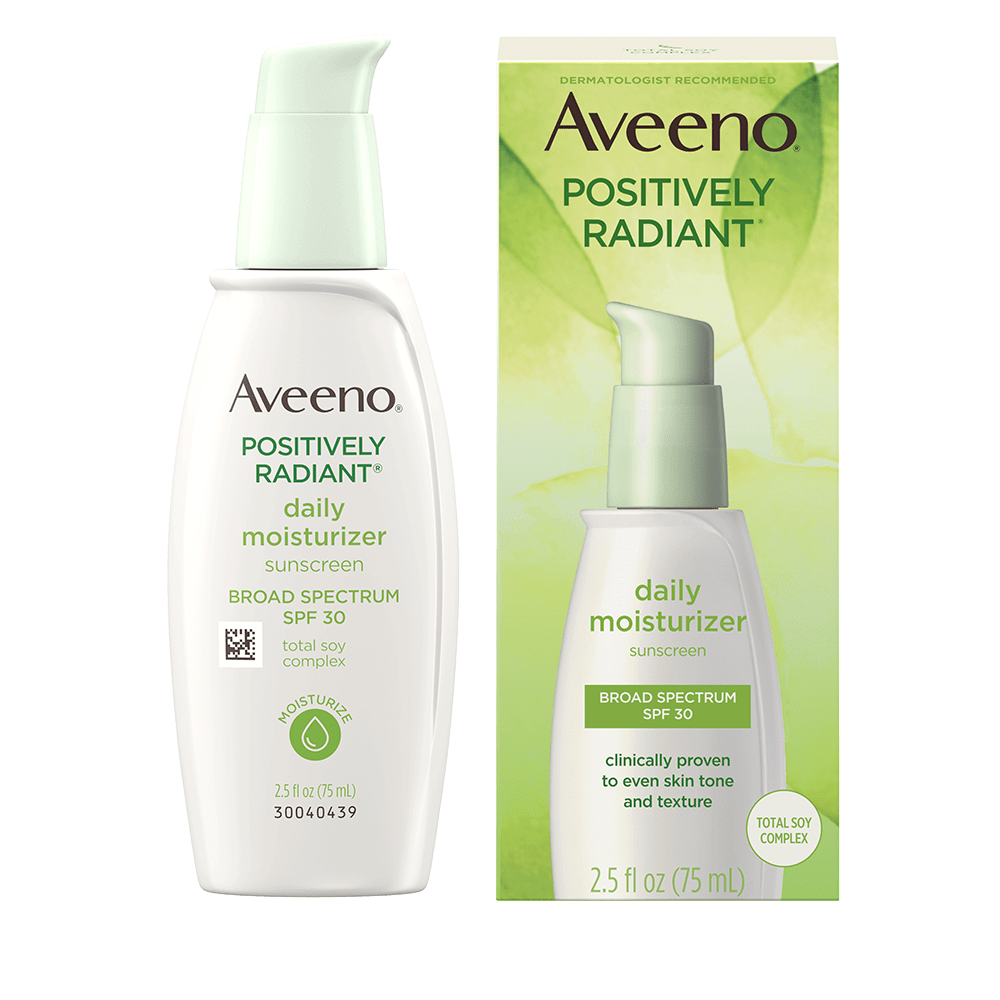
Positively Radiant Daily Face Moisturizer SPF 30 (earlier formula)Discontinued
Positively Radiant Daily Moisturizer SPF 15 (earlier formula)Discontinued
Positively Mineral Sensitive Skin Sunscreen Stick SPF 50Discontinued
Sport Ultra Sunscreen Lotion SPF 100
See all 56 products that list polyethylene →
Related ingredients: Nanoparticles (nano-sized minerals), Titanium Dioxide, Zinc Oxide
Last reviewed October 14, 2026.